A GoEurope field guide
Stockholm
Island neighbourhoods, maritime museums and Nordic design connected by water.
Why go
Get to know Stockholm
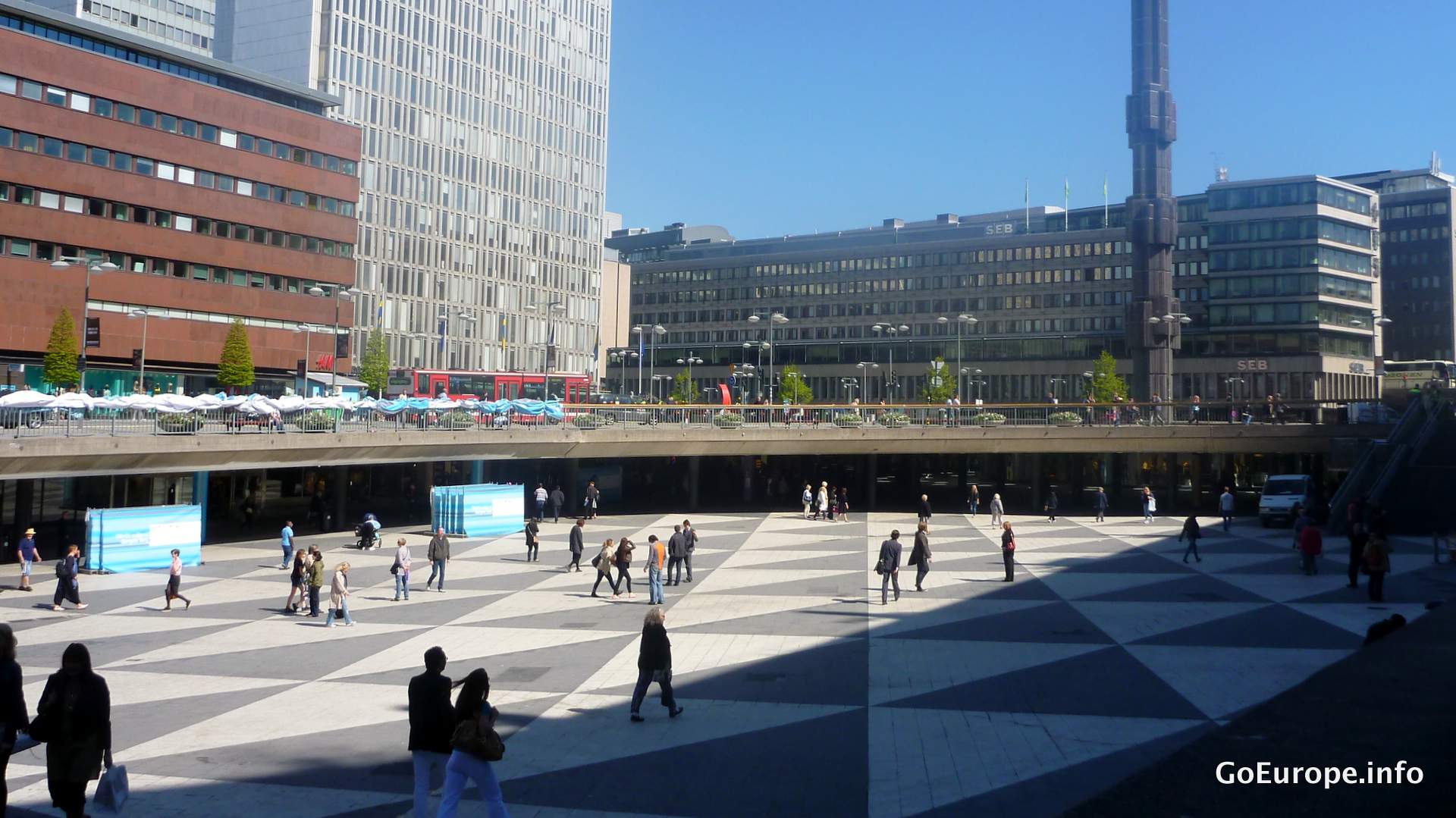
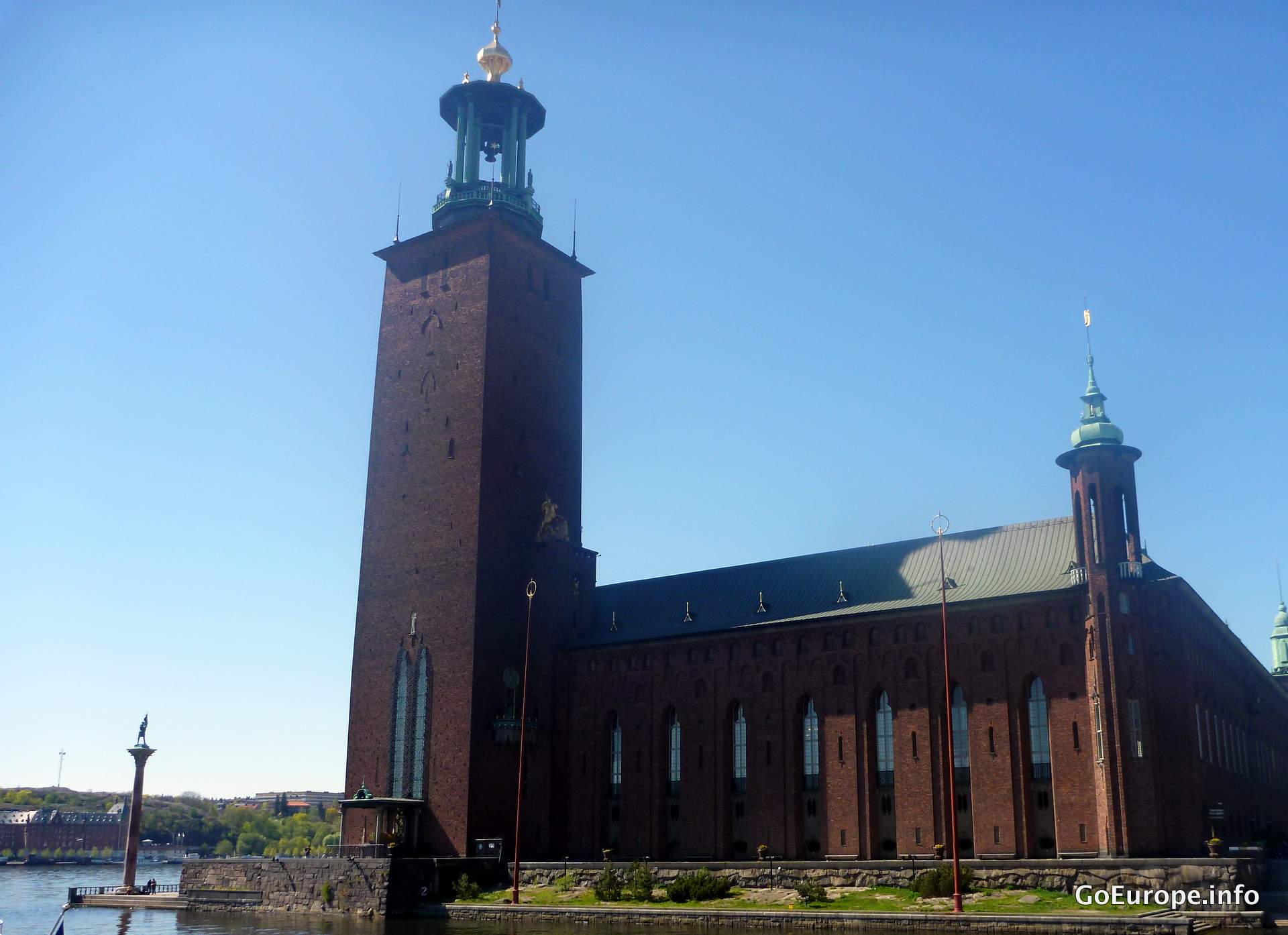
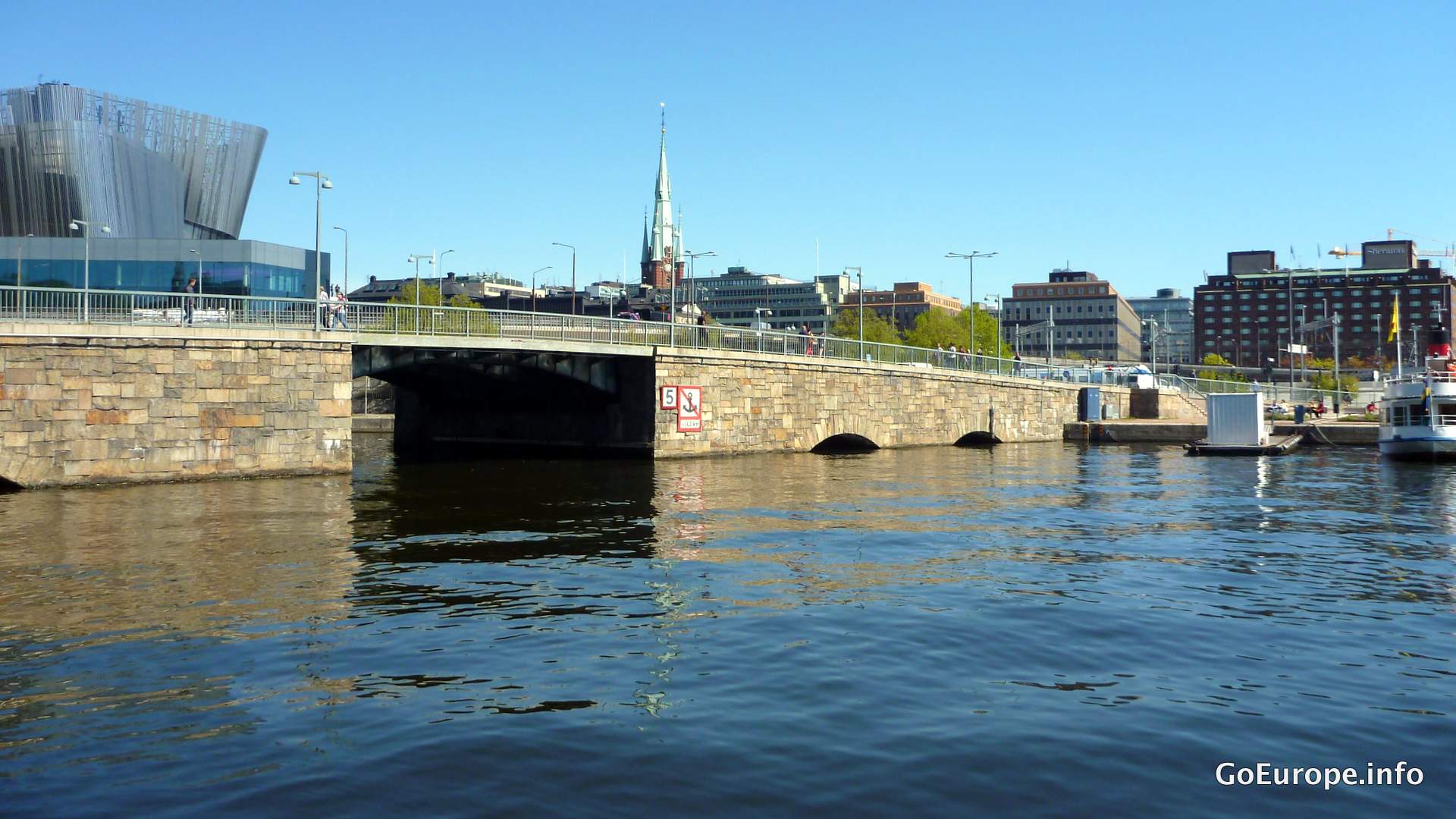
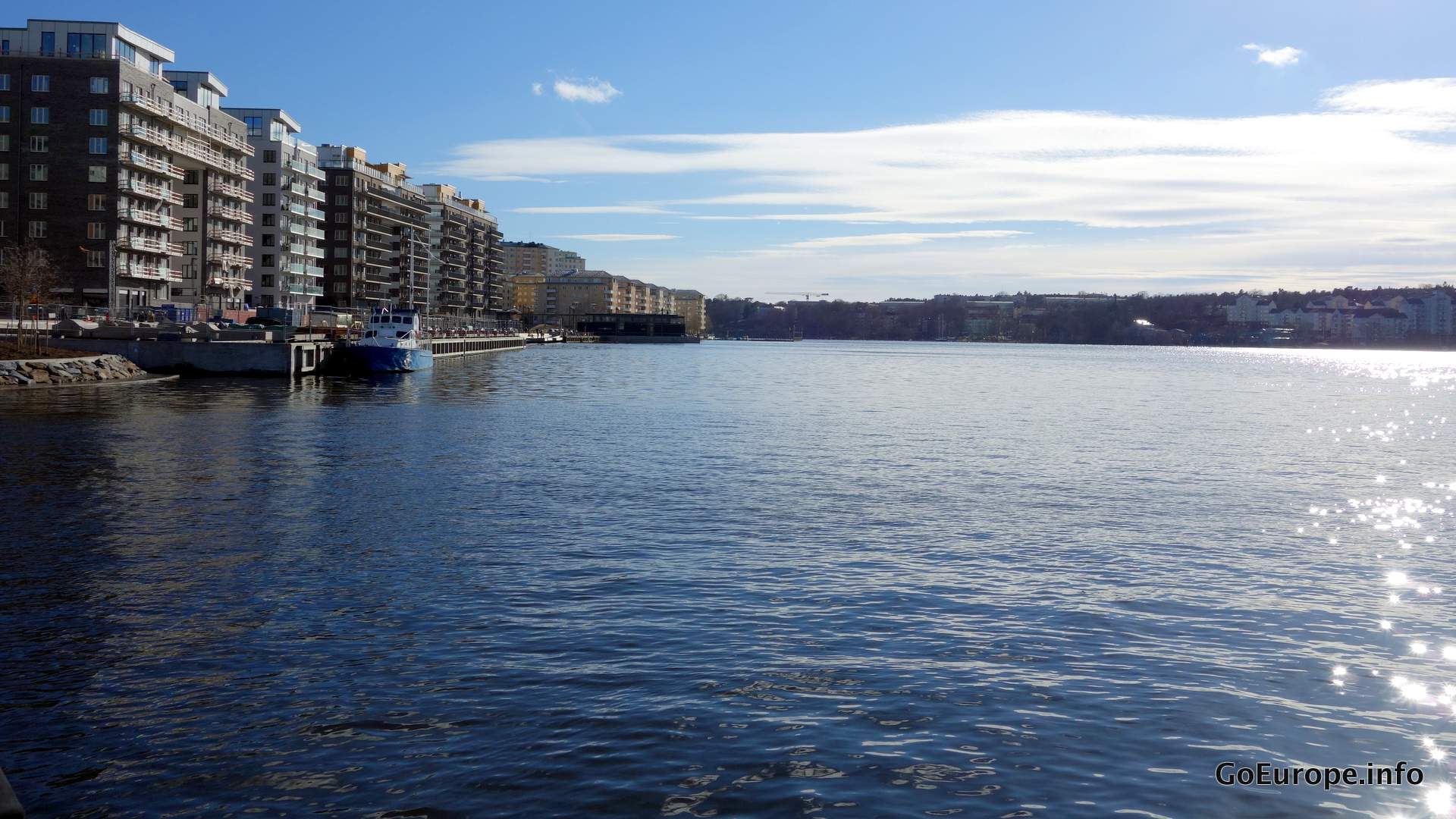
Stockholm spreads across islands where Lake Mälaren meets the Baltic, so water is never just a backdrop. Bridges, quays and ferries shape every walk. The medieval lanes of Gamla Stan, formal Norrmalm and Östermalm, green Djurgården and creative Södermalm each offer a recognisable version of the capital.
Short distances make a varied first visit possible, but the city rewards focus. Pair Gamla Stan with the waterfront rather than every central attraction, give Djurgården’s museums and parkland their own block of time, and explore Södermalm at neighbourhood pace. The archipelago is close in spirit, yet its farther islands deserve a separate day rather than a hurried detour.
The short list
Three ways into the city
Gamla Stan and the royal quarter
Stockholm’s oldest district combines narrow medieval lanes, colourful façades, churches and the Royal Palace. Leave the busiest shopping street for side alleys and squares, and walk early if you want to notice details without tour-group traffic.
Djurgården’s museums and parkland
The green island gathers the Vasa Museum, Nordic Museum and several other major attractions beside paths and water. Choose one or two museums, then preserve time outdoors so the visit does not become an indoor marathon.
Södermalm viewpoints
Södermalm mixes residential streets, vintage and design shops, cafés and dramatic overlooks across Riddarfjärden. Walk Monteliusvägen or another marked viewpoint route, then continue into the neighbourhood instead of immediately returning to the centre.
On the ground
Getting around
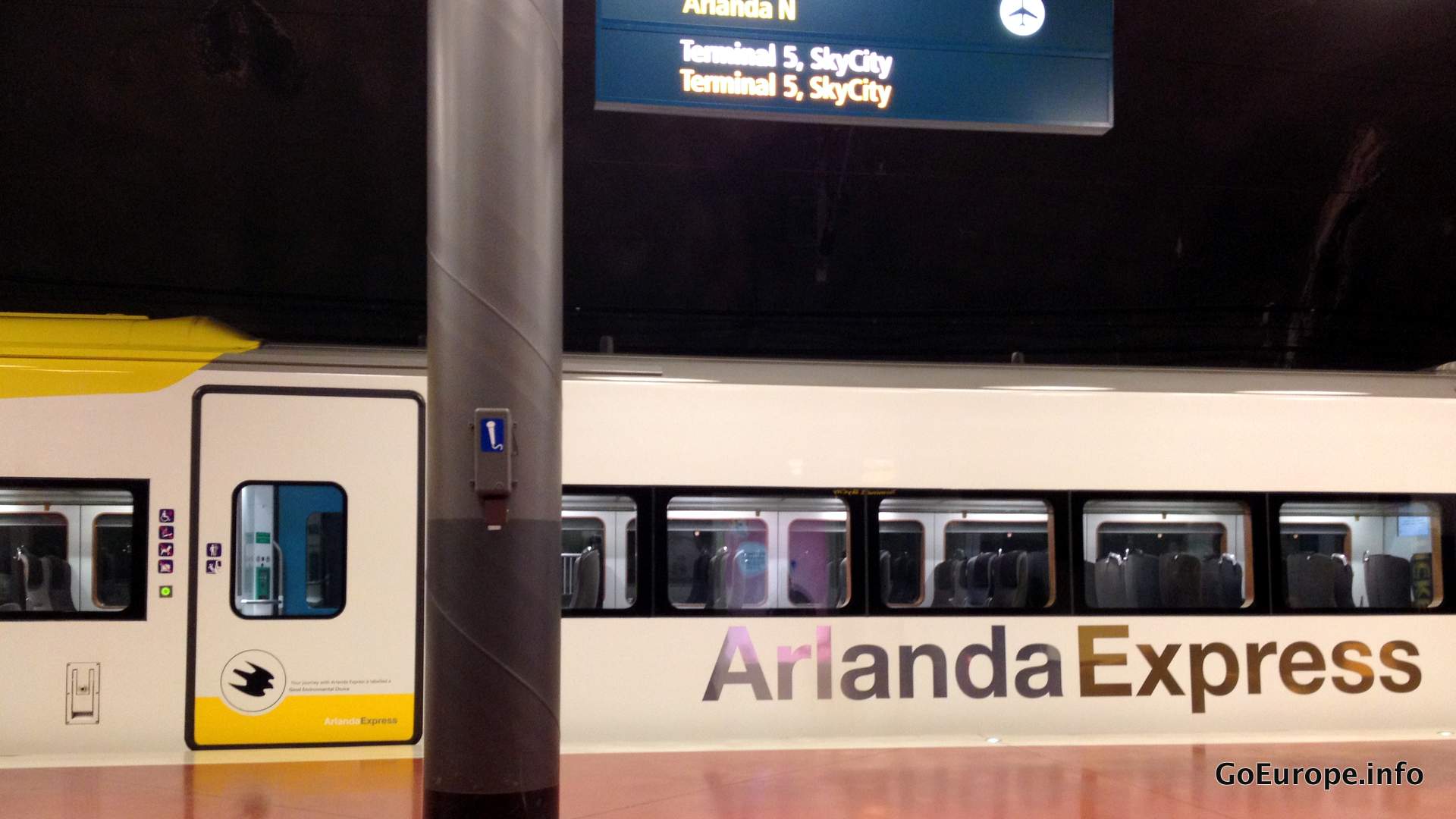
SL operates Stockholm’s metro, buses, commuter trains, trams and selected ferries. Contactless payment and several ticket products may be available, but rules can change; use the official planner and fare information rather than relying on an old screenshot or guidebook.
Central districts are highly walkable, although bridges and waterfronts make apparent shortcuts deceptive. A ferry can be both transport and sightseeing, while the metro is efficient across longer gaps. Check lift status and accessibility details when step-free travel is important.
At the table
What to eat and notice
Traditional choices include meatballs, herring, salmon, game and open sandwiches, often balanced with potatoes, berries or pickled flavours. Stockholm’s current food culture is much broader, with contemporary Nordic cooking, international neighbourhood restaurants and strong vegetarian options.
Make room for fika: coffee with a bun, cake or simple sandwich in a setting where a pause is welcome. Market halls can introduce regional ingredients, while bakeries offer an accessible taste of everyday Swedish food without requiring a formal reservation.
Timing the trip
When to go
Late spring and summer bring very long days, active quays and the easiest conditions for island excursions. Popular attractions and accommodation can be busy, so book only the time-sensitive priorities and keep the rest flexible.
Early autumn adds colour and crisp walking weather. Winter is dark but atmospheric, with museums, cafés and design interiors coming into their own; snow and ice may slow waterfront routes, while daylight calls for a compact plan.
A considered route
One day in Stockholm
Use this as a shape for the day, not a race against the clock.
-
Morning
Old Town before the rush
Walk Gamla Stan’s quieter lanes, pass Stortorget and the Royal Palace, then follow the waterfront toward Skeppsholmen or the ferry landing.
-
Afternoon
One museum on Djurgården
Travel by tram or ferry, choose the Vasa Museum or another collection and add a park walk. One thoughtful visit leaves space to enjoy the island.
-
Evening
Södermalm above the water
Cross south for a viewpoint walk, fika or dinner among local streets. Time the panorama for evening light without depending on a precise sunset.
The original photo archive
Stockholm in pictures
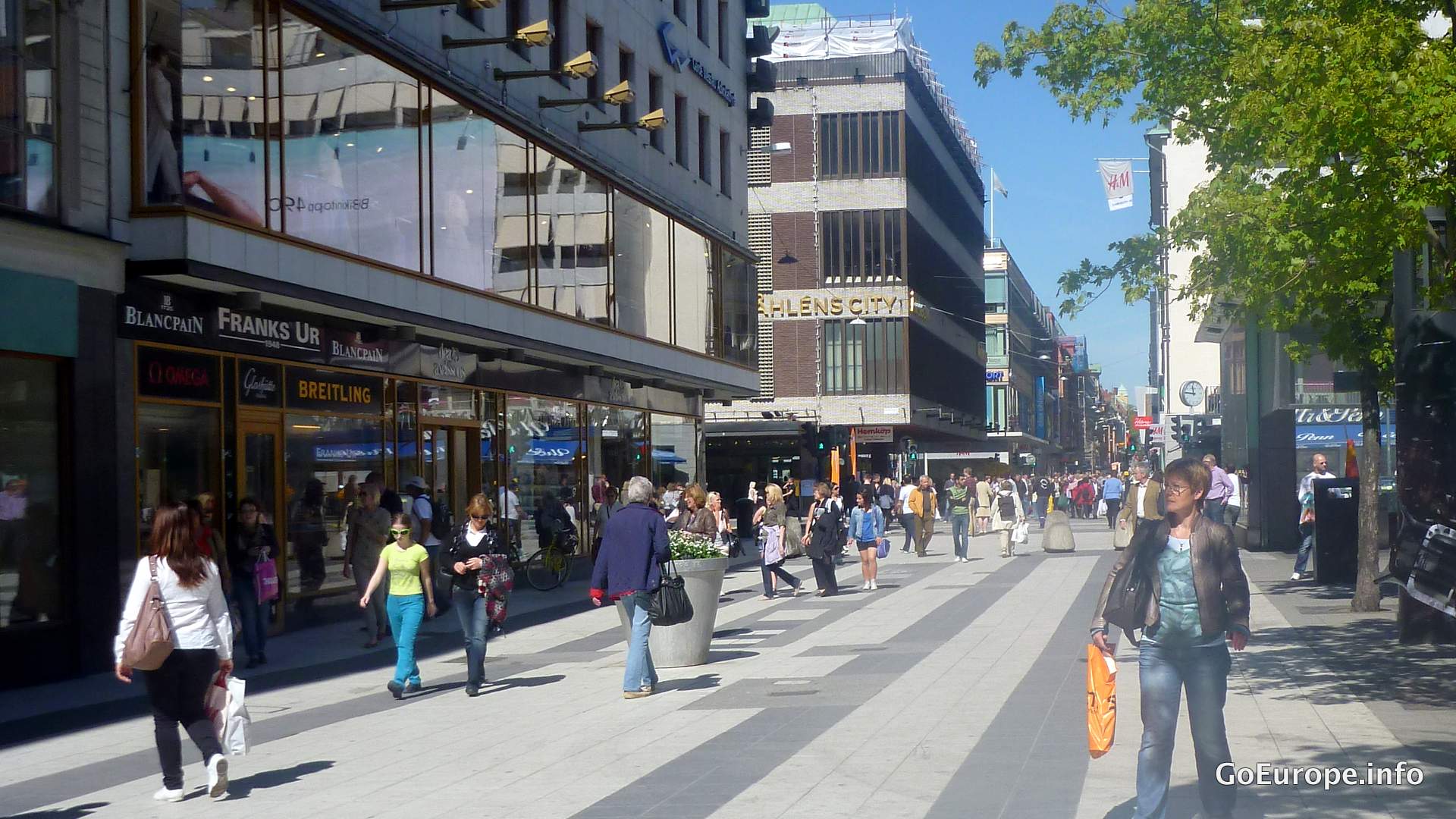
Every surviving photograph from this GoEurope journey is kept here. The captions describe the archive; details on the ground may have changed.
Check before travelling
Trip sources and further viewing
Opening hours, fares, services and entry rules change. Use the official links to verify practical details close to departure. Any YouTube video linked here is third-party material; it was not created or owned by GoEurope.info.