A GoEurope field guide
Gothenburg
Trams, seafood, green neighbourhoods and islands at the city’s edge.
Why go
Get to know Gothenburg
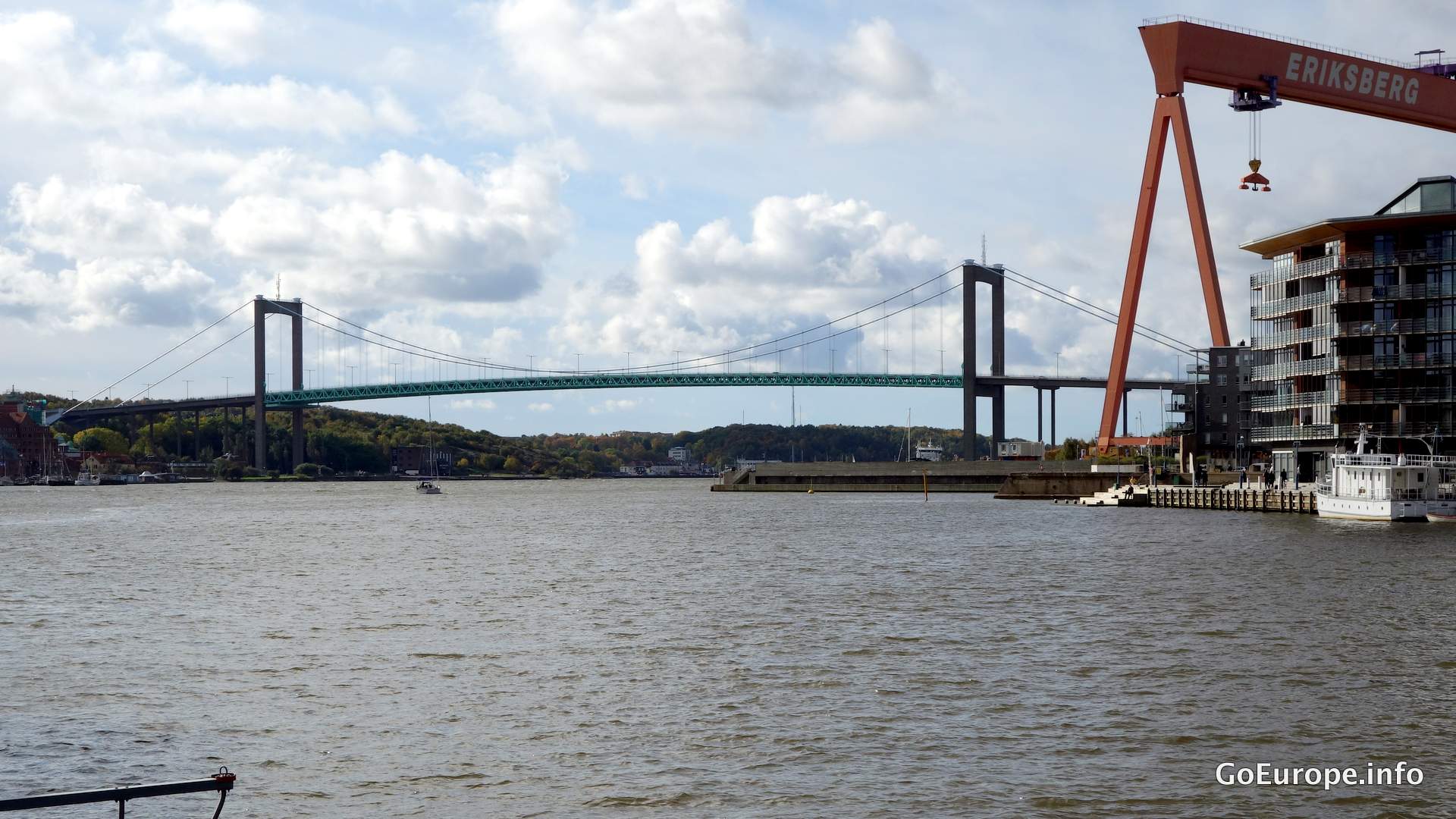
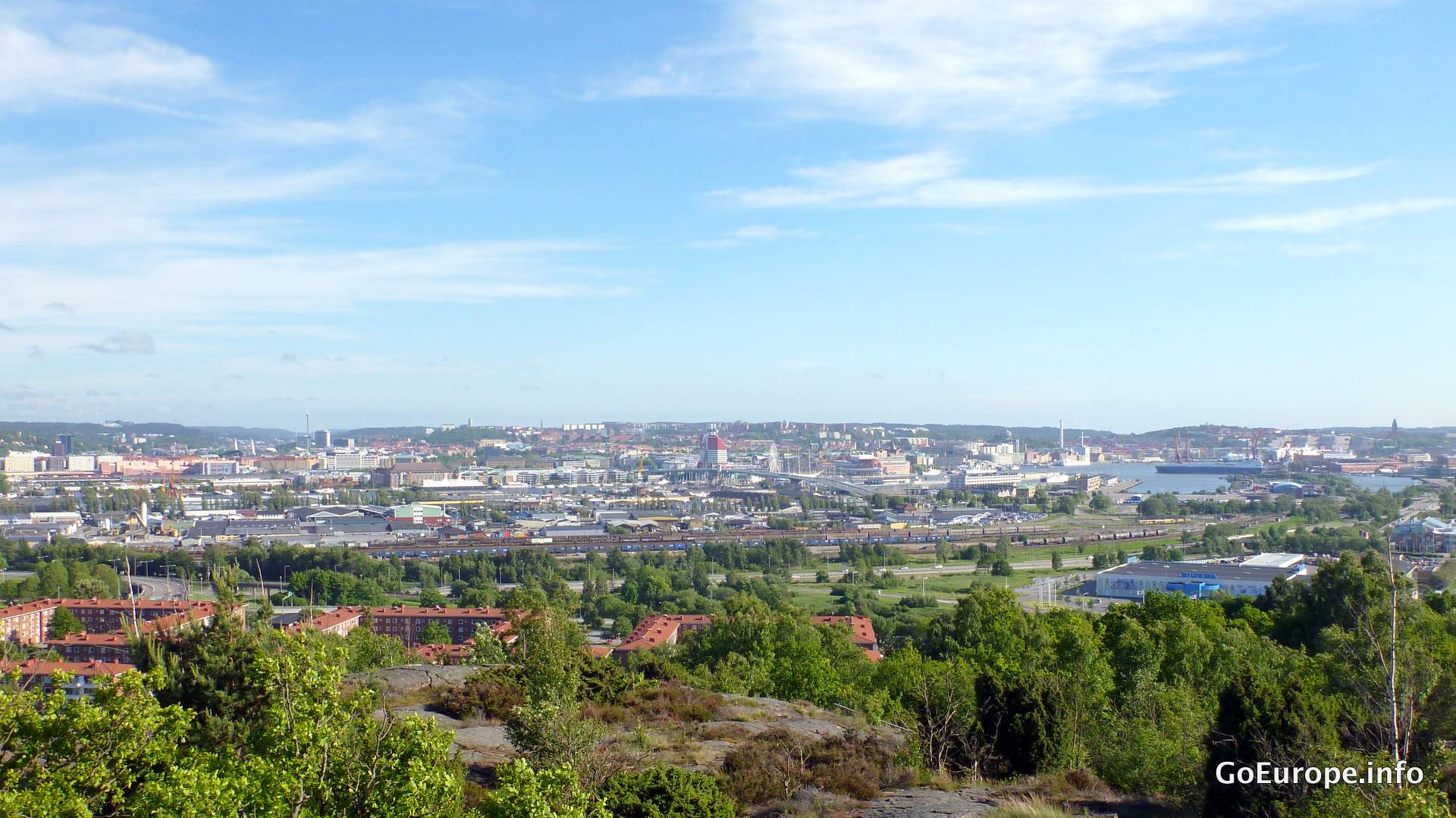
Gothenburg feels shaped by water at every scale: the Göta River divides the city, canals cross the centre and ferries continue into a granite archipelago. Sweden’s second-largest city combines maritime history with a relaxed, creative character. Broad boulevards, market halls, parks and repurposed harbour areas make it particularly satisfying to explore without a car.
Begin with the compact centre, then let the tram network widen the visit. Haga and nearby hilltop viewpoints provide an older neighbourhood scale, while the river and harbour explain the city’s working identity. Reserve a clear half-day or more for the archipelago; treating the islands as a rushed add-on misses the change in pace that makes them special.
The short list
Three ways into the city
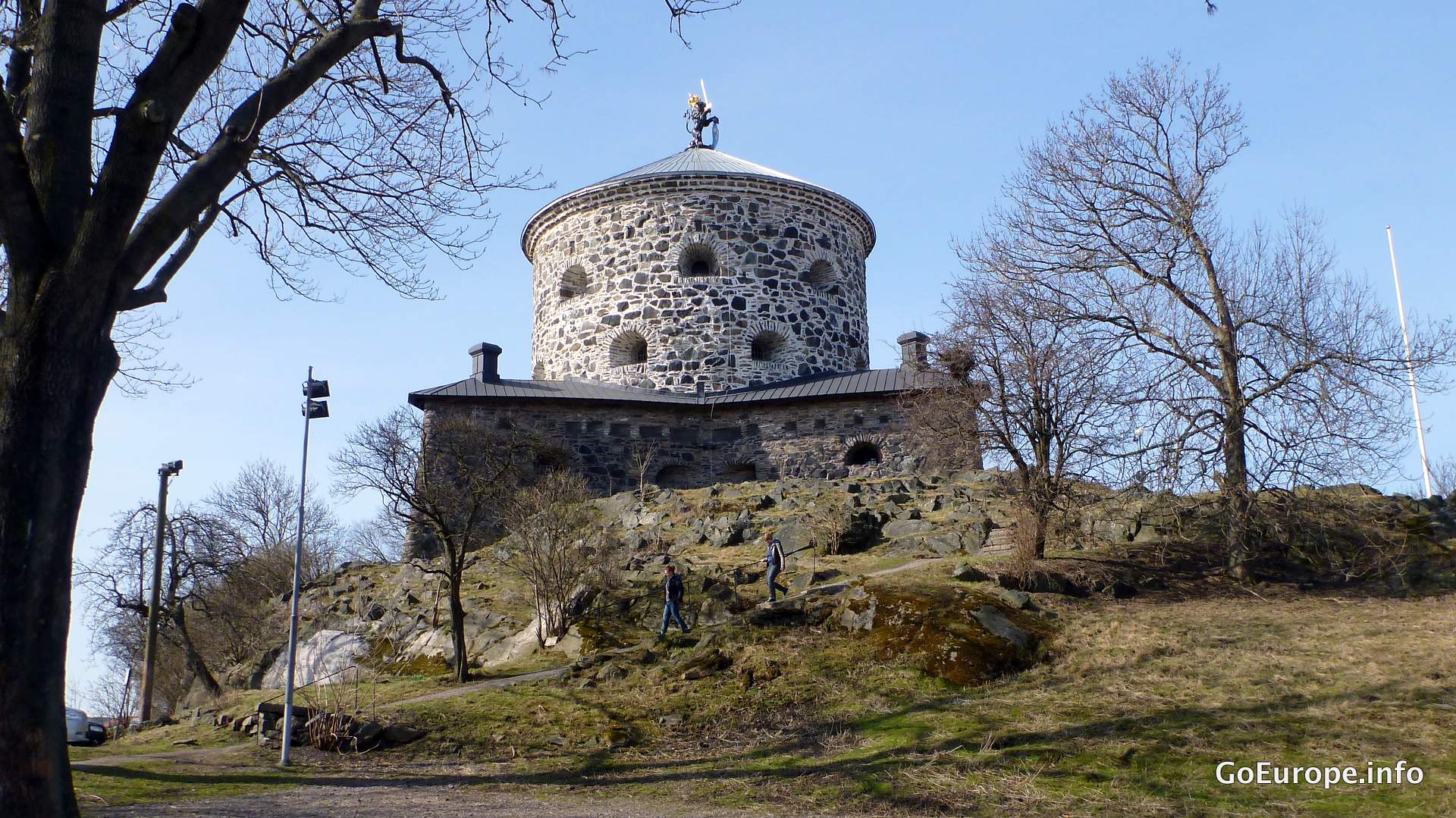
Haga and Skansen Kronan
Haga’s low wooden buildings, cafés and small shops make an easy contrast to the central boulevards. Climb toward Skansen Kronan for a broader view, taking care on steep or icy paths and respecting the residential streets below.
Canals, markets and Götaplatsen
A central walk can link the old moat, food halls, garden spaces and the cultural institutions around Götaplatsen. Following this line reveals how the fortified trading city expanded into a confident modern centre.
The southern archipelago
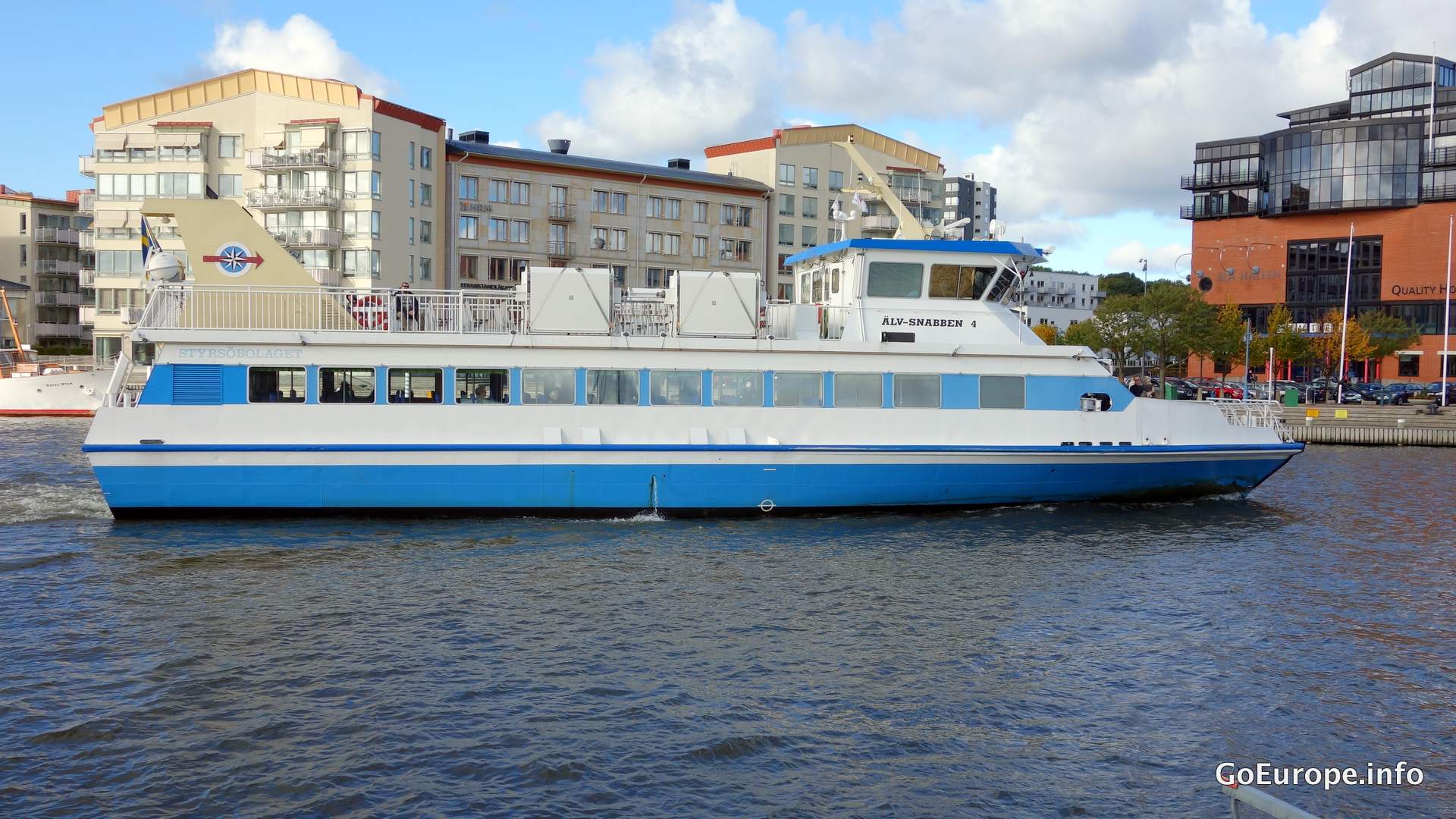
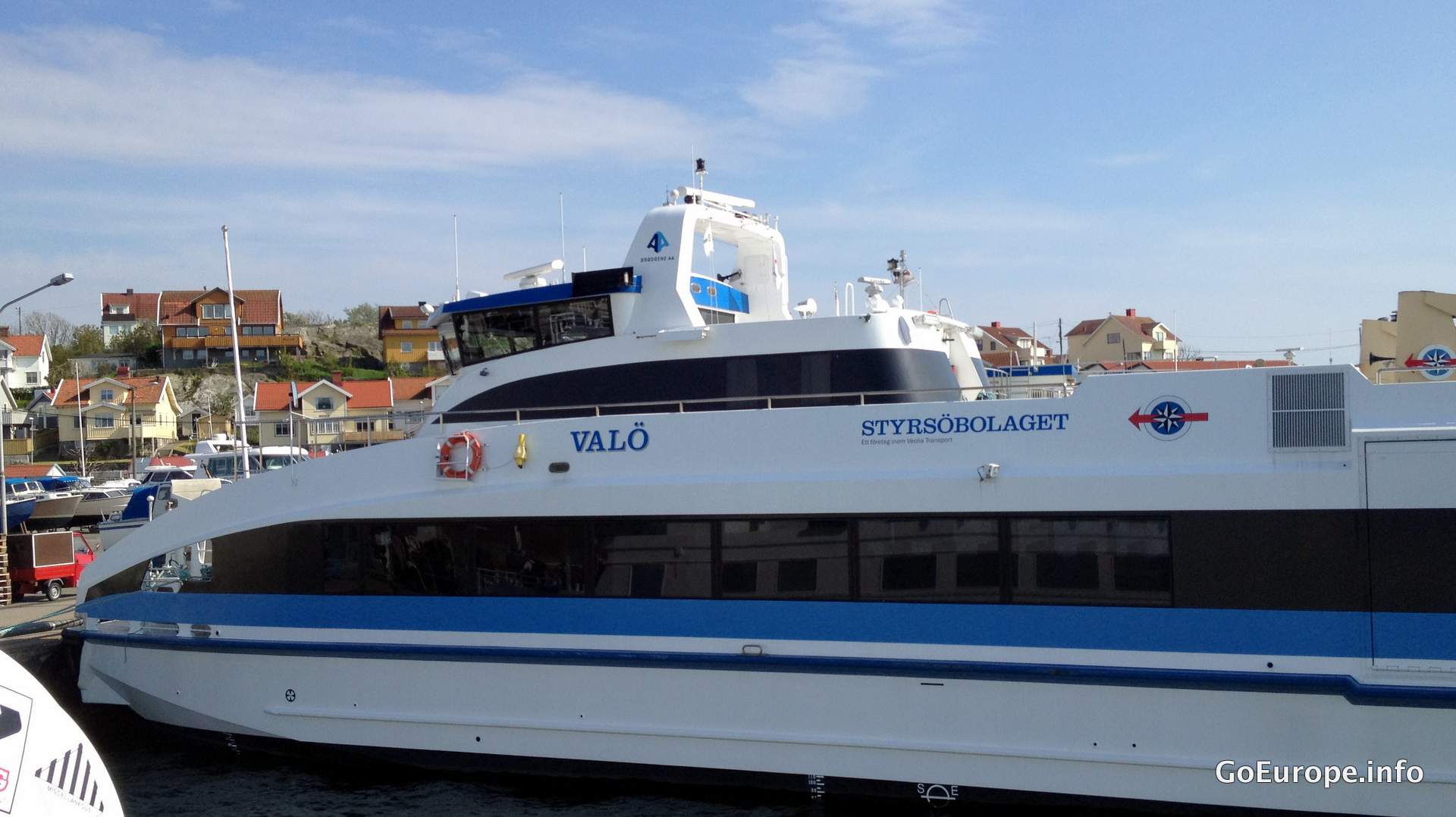
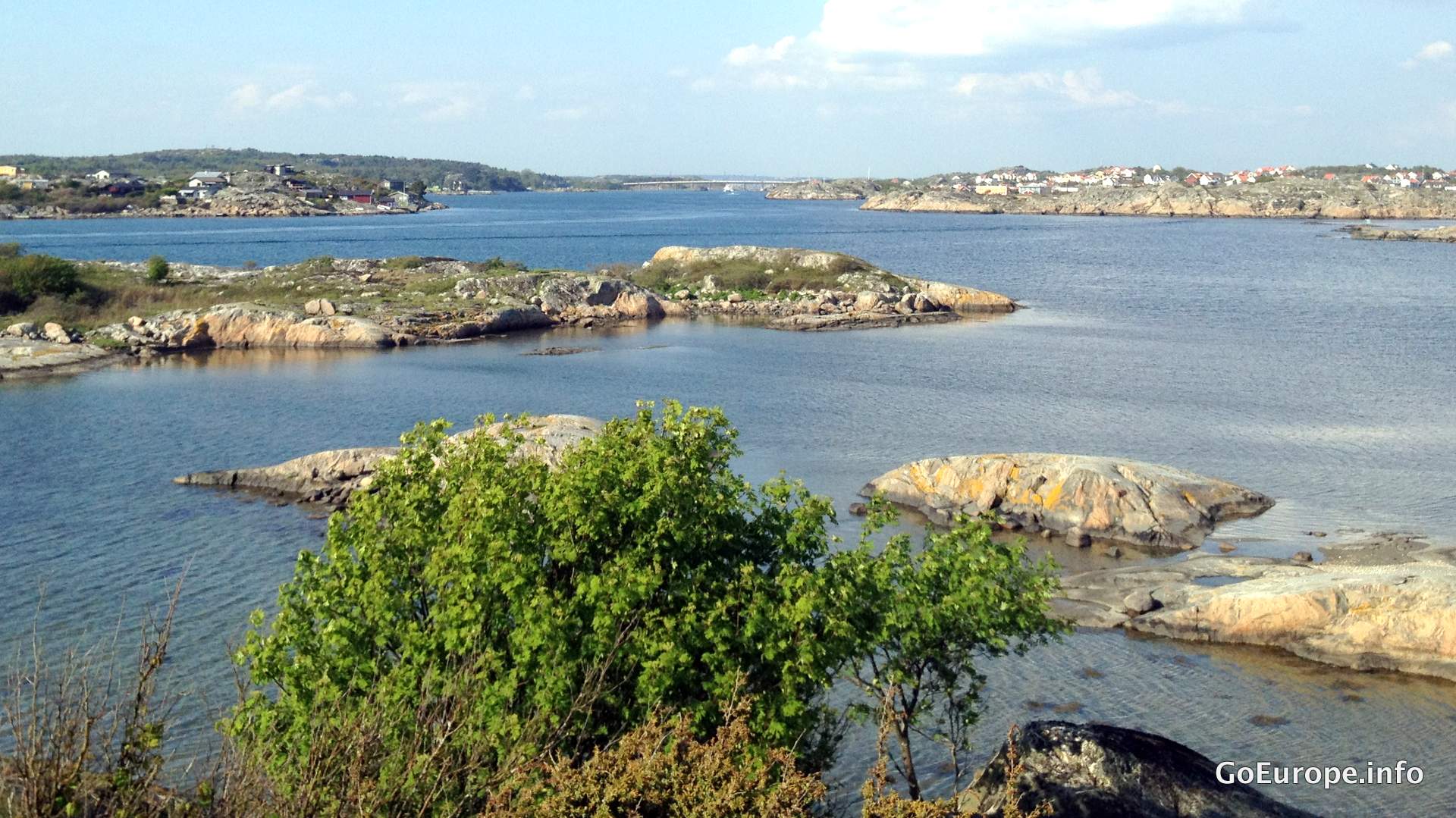
Public ferries reach car-free southern islands where footpaths, villages and rocky shores replace city streets. Pick one or two islands, check the full return journey and carry what you need rather than attempting a hurried grand tour.
On the ground
Getting around
The centre is walkable, and Västtrafik trams make longer urban journeys simple and legible. Buses, boats and commuter trains use the same wider network, but ticket validity and zones should always be checked through the official service before travel.
For the southern archipelago, combine a tram or bus with the ferry departure shown by the current journey planner. Bicycles work well on many city routes, although tram rails demand attention. In winter, allow more time for wet, snowy or icy surfaces.
At the table
What to eat and notice
Gothenburg’s coastal setting appears in fish soup, shellfish, herring and the daily choices at its markets. Ask what is seasonal rather than assuming every delicacy is equally local throughout the year, and remember that excellent seafood also appears in simple lunch settings.
Fika is an everyday pause for coffee and something baked, not a race to find the largest pastry. Explore neighbourhood cafés alongside contemporary Nordic restaurants, vegetarian kitchens and food influenced by the city’s international communities.
Timing the trip
When to go
Late spring through early autumn is ideal for parks, long waterfront walks and archipelago days. Even in summer, wind and rain can make a light outer layer useful on ferries and exposed shores.
Autumn and winter bring a quieter, atmospheric city suited to museums, cafés and restaurants. Daylight is limited and island connections need closer attention, but the centre remains easy to explore with a flexible indoor plan.
A considered route
One day in Gothenburg
Use this as a shape for the day, not a race against the clock.
-
Morning
Canals, market halls and Haga
Walk from the central canals through a market area to Haga, stopping for fika. Continue uphill only if conditions make the viewpoint comfortable and safe.
-
Afternoon
Follow the water outward
Choose a harbour museum or make a well-timed archipelago excursion. If the ferry plan feels rushed, explore the riverfront and save the islands for a fuller day.
-
Evening
Seafood and city lights
Return for a seasonal dinner, then walk a central boulevard or canal route while the trams and waterfront lights animate the city.
The original photo archive
Gothenburg in pictures
Every surviving photograph from this GoEurope journey is kept here. The captions describe the archive; details on the ground may have changed.

Check before travelling
Trip sources and further viewing
Opening hours, fares, services and entry rules change. Use the official links to verify practical details close to departure.