A GoEurope field guide
Athens
Ancient landmarks, lively neighbourhoods and hilltop light in a modern capital.
Why go
Get to know Athens
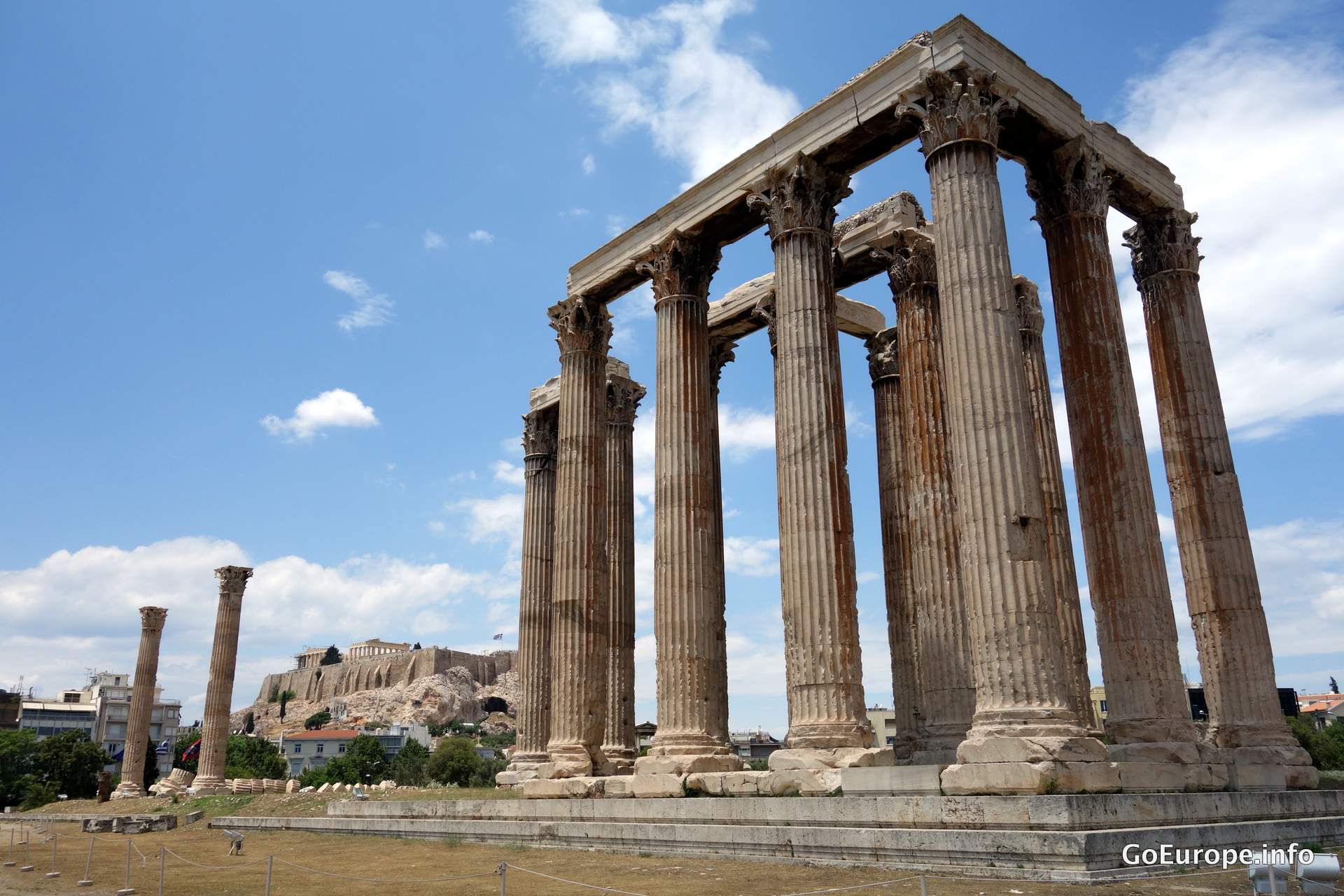
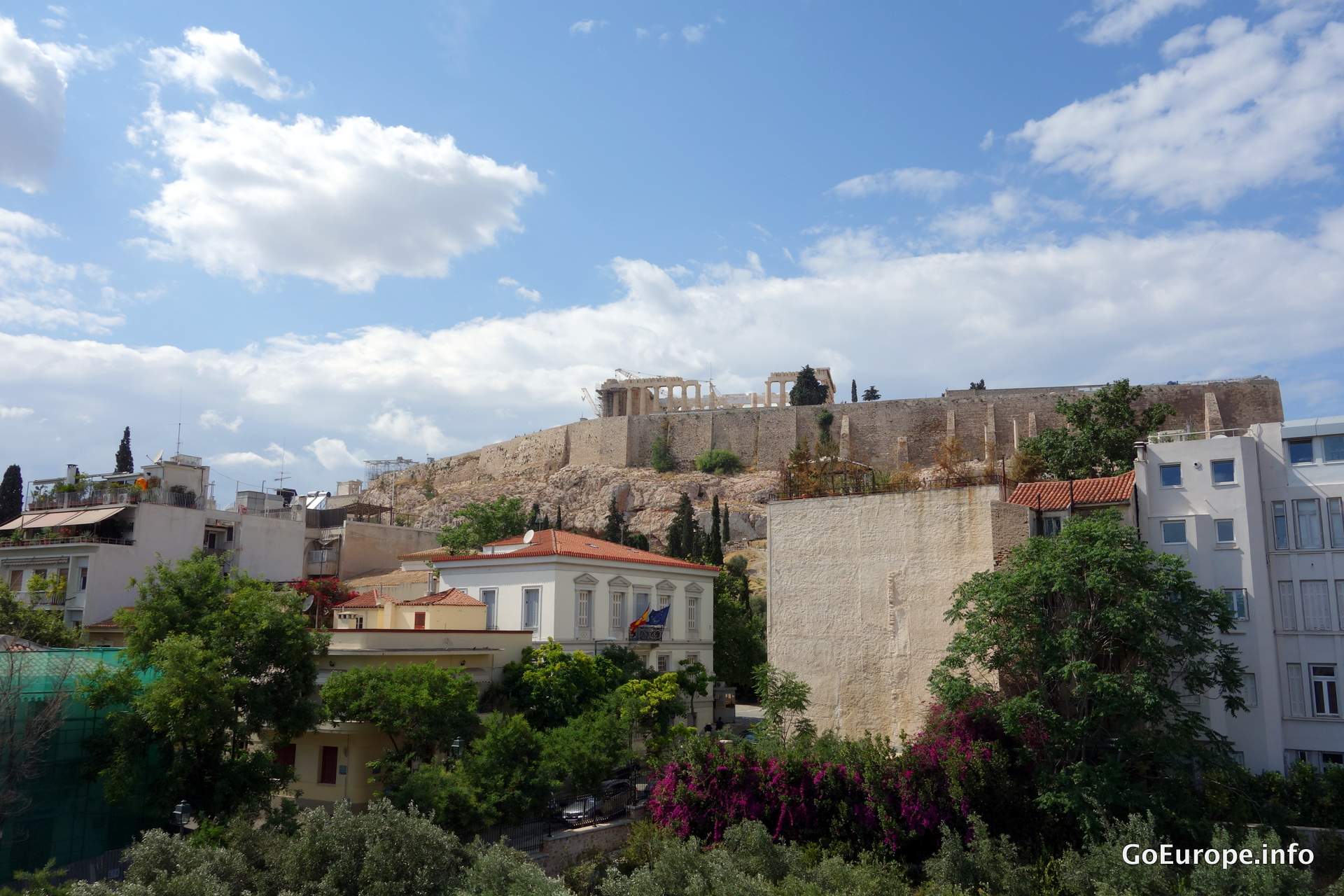
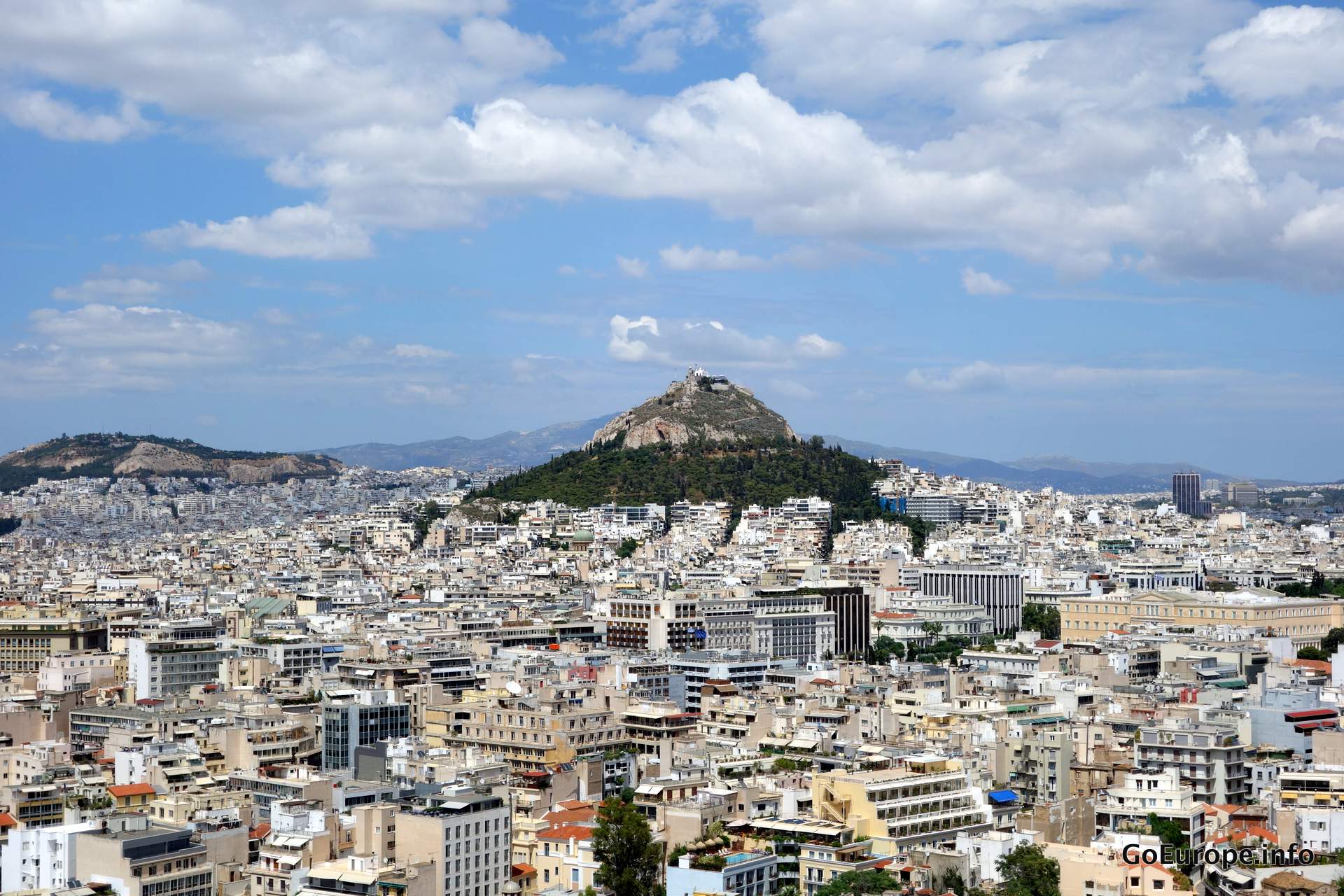
Athens places ancient monuments inside a noisy, creative and thoroughly contemporary city. The Acropolis is the visual anchor, but the streets below reveal Byzantine churches, neoclassical houses, markets, apartment blocks, workshops and café terraces. Understanding that coexistence is more rewarding than treating the capital as a single archaeological park.
The central districts can be explored largely on foot, although heat, hills and polished stone affect the pace. Begin early at exposed sites, pause over lunch and return to the streets when the light softens.
The short list
Three ways into the city
The Acropolis and its slopes
Climb early and give the sanctuary time rather than racing straight to the Parthenon. The approaches, theatres and changing views across modern Athens help explain why this rocky plateau has remained the city’s defining landmark.
Acropolis Museum and Plaka
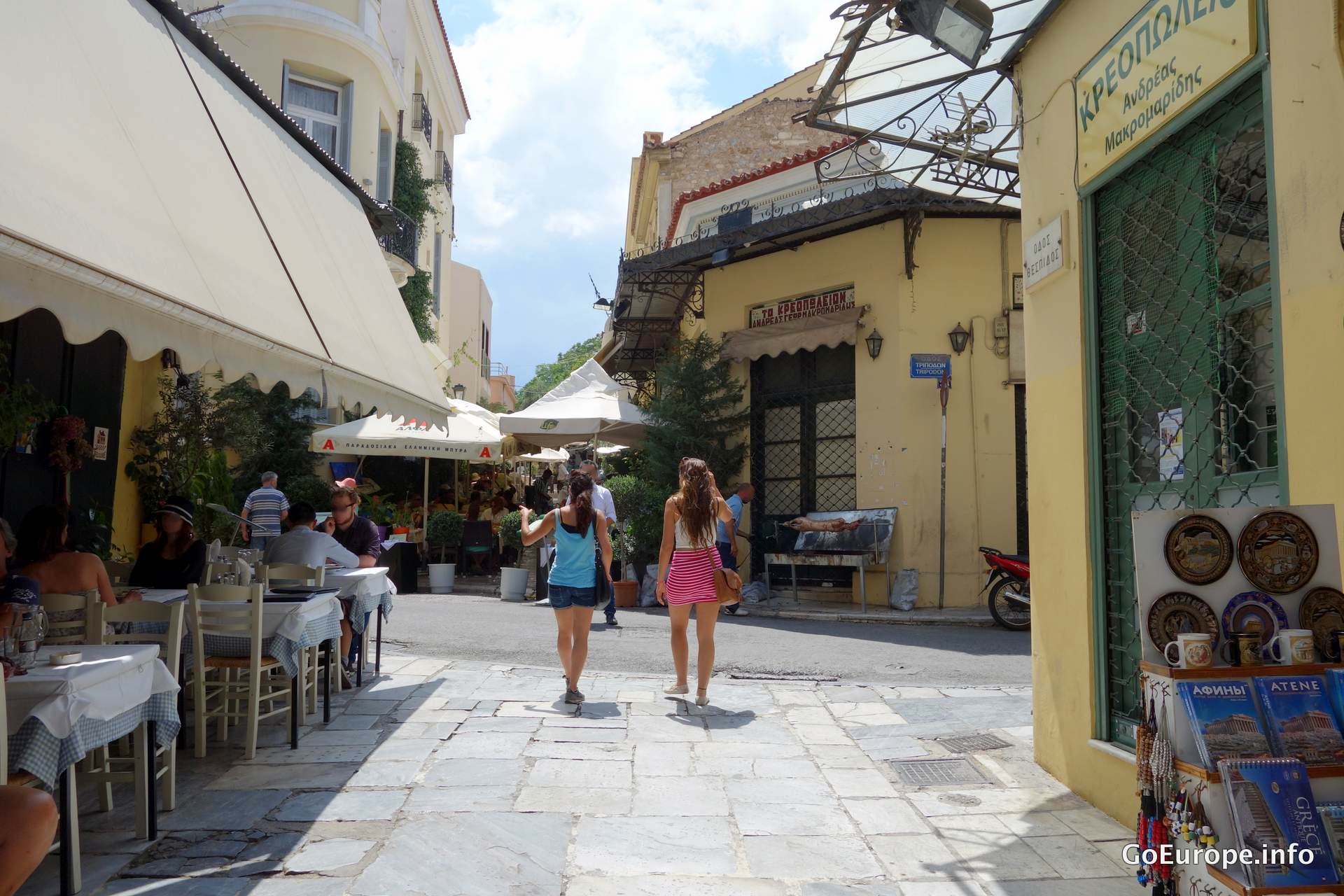
The museum places sculpture and archaeological material in clear relationship to the hill above. Afterwards, wander Plaka’s lanes and the small Anafiotika quarter, while remembering that people live among these photogenic streets.
Ancient Agora to Monastiraki
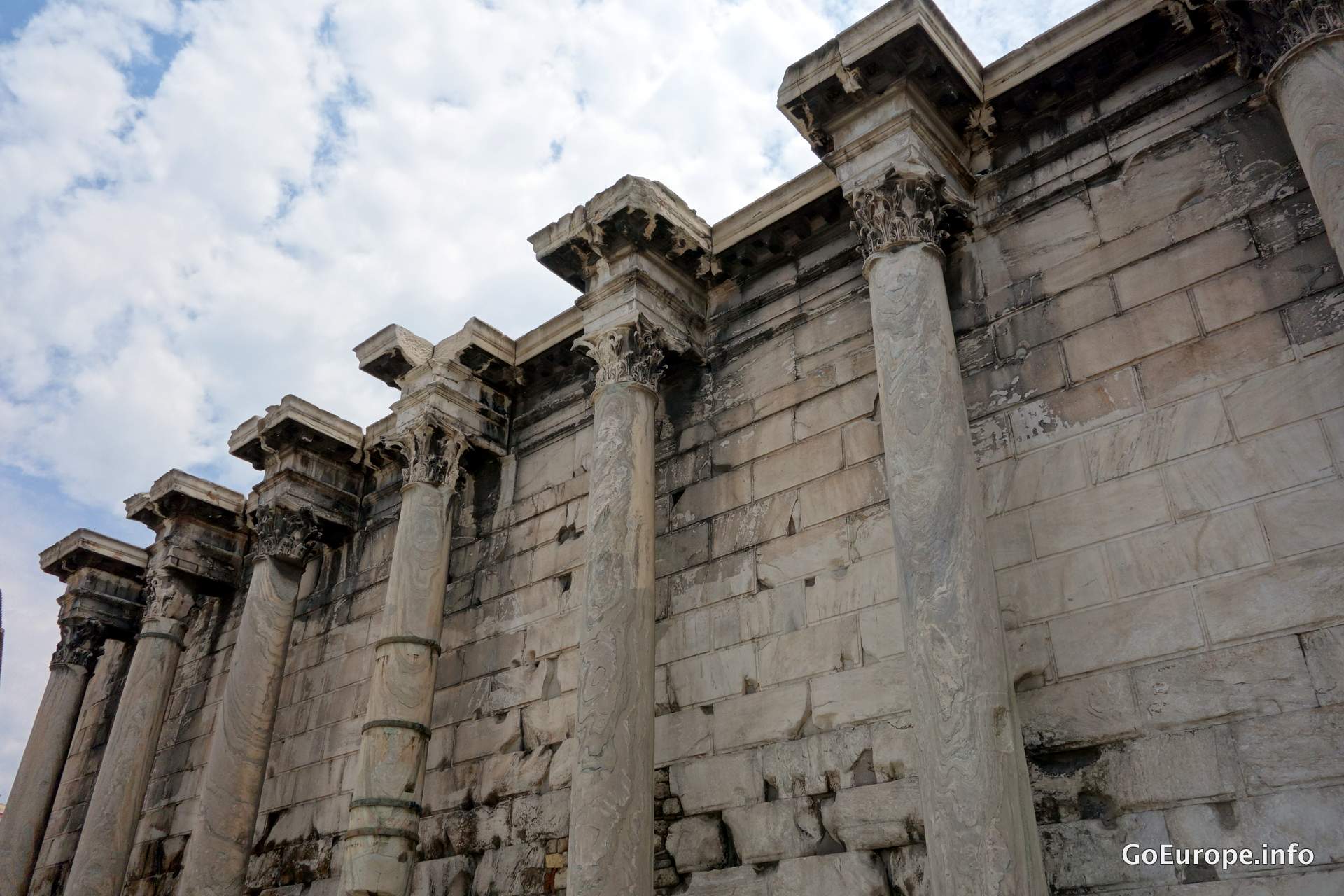
The Agora reveals the civic and commercial setting of ancient Athens in a greener landscape below the Acropolis. Continue toward Monastiraki for market streets, transport connections and views that mix ruins with the present city.
On the ground
Getting around
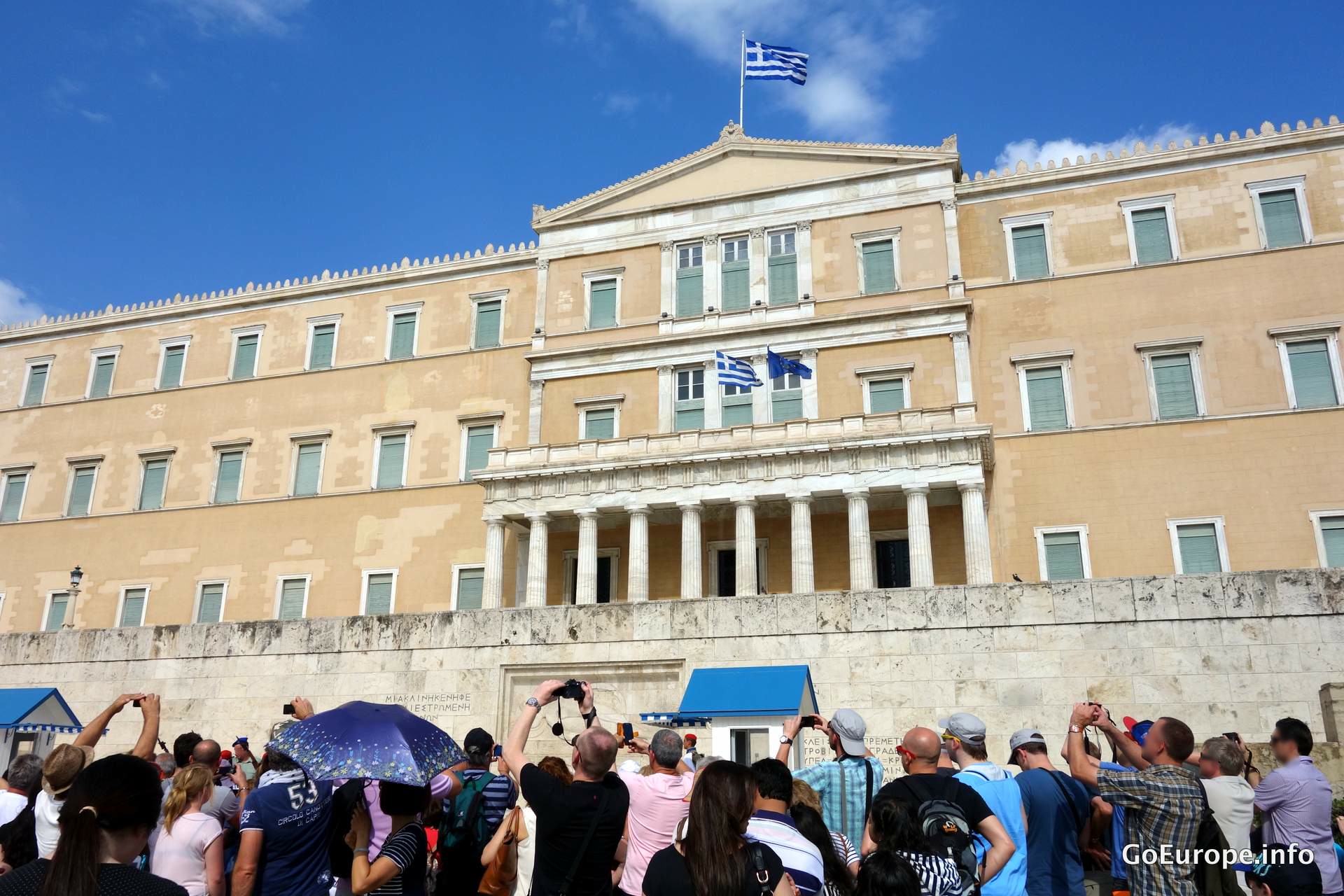
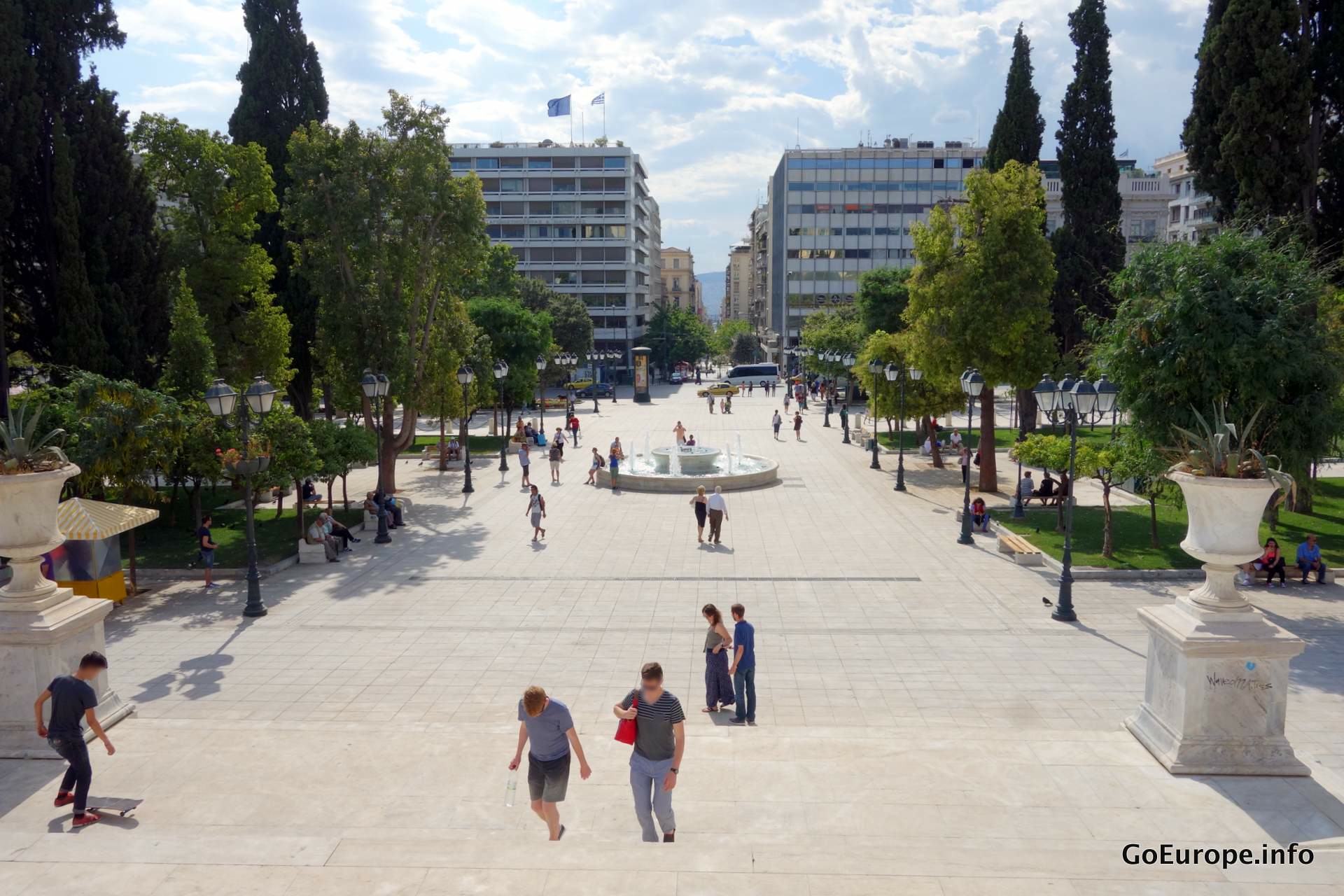
Walking connects the Acropolis, Plaka, the Agora, Monastiraki and Syntagma, but shade is uneven and pavements can be rough. Break the centre into short loops and avoid adding a hill climb at the hottest part of the day.
OASA coordinates metro, tram, buses and trolleybuses across the wider city. Metro is useful for longer urban journeys and airport access, while tram services connect toward the coast. Airport products and conditions can differ from ordinary urban travel, so consult OASA before departure.
At the table
What to eat and notice
Athenian eating works best as a sequence rather than one grand meal: bakery breakfast, market snack, shared mezze and a relaxed dinner. Look for seasonal vegetables, pulses, grilled fish or meat, pies, yoghurt, cheese and regional dishes brought to the capital from across Greece.
Tavernas often reward groups willing to share several plates. Ask what is fresh and let the meal take its time. Coffee culture ranges from traditional Greek coffee to contemporary roasters.
Timing the trip
When to go
Spring and autumn are particularly comfortable for archaeological sites, hill walks and neighbourhood wandering. Temperatures still vary, but the day is easier to organise around outdoor exploration than during the strongest summer heat.
In summer, start exposed sights early, schedule shade or a museum at midday and carry more water than you expect to need. Winter can offer excellent walking weather between rain spells, with a calmer atmosphere and more emphasis on everyday city life.
A considered route
One day in Athens
Use this as a shape for the day, not a race against the clock.
-
Morning
Above ancient Athens
Reach the Acropolis early, explore the summit and descend by the south slope. Continue into the Acropolis Museum while the archaeological setting is still fresh in mind.
-
Afternoon
Agora and market streets
Eat a light lunch, then cross Plaka toward the Ancient Agora and Monastiraki. Pause for coffee and browse without turning the market area into a rushed shopping stop.
-
Evening
Golden-hour neighbourhoods
Walk to a viewpoint or through a residential district as the heat eases, then share Greek dishes at a taverna away from the busiest monument-facing terraces.
The original photo archive
Athens in pictures
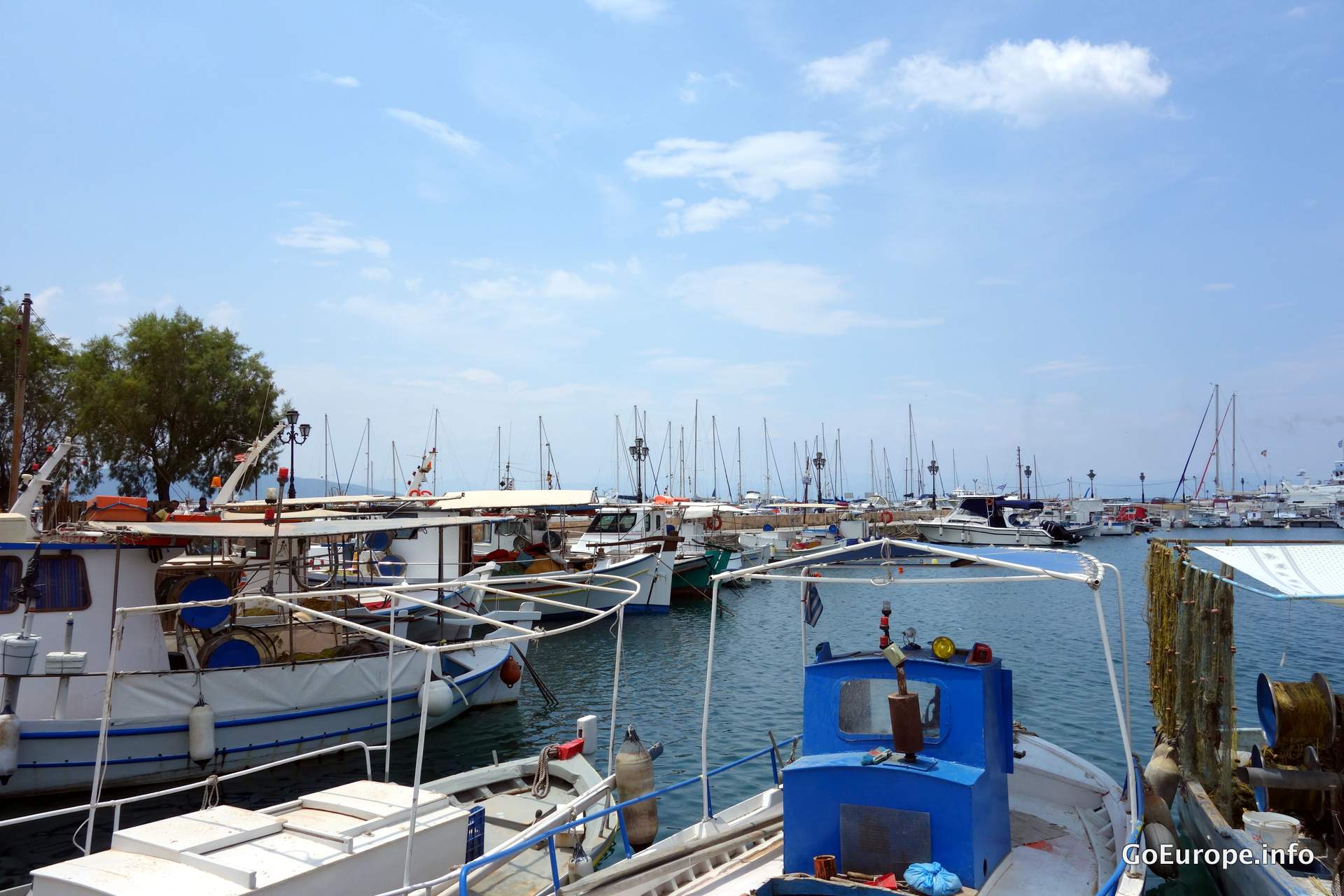
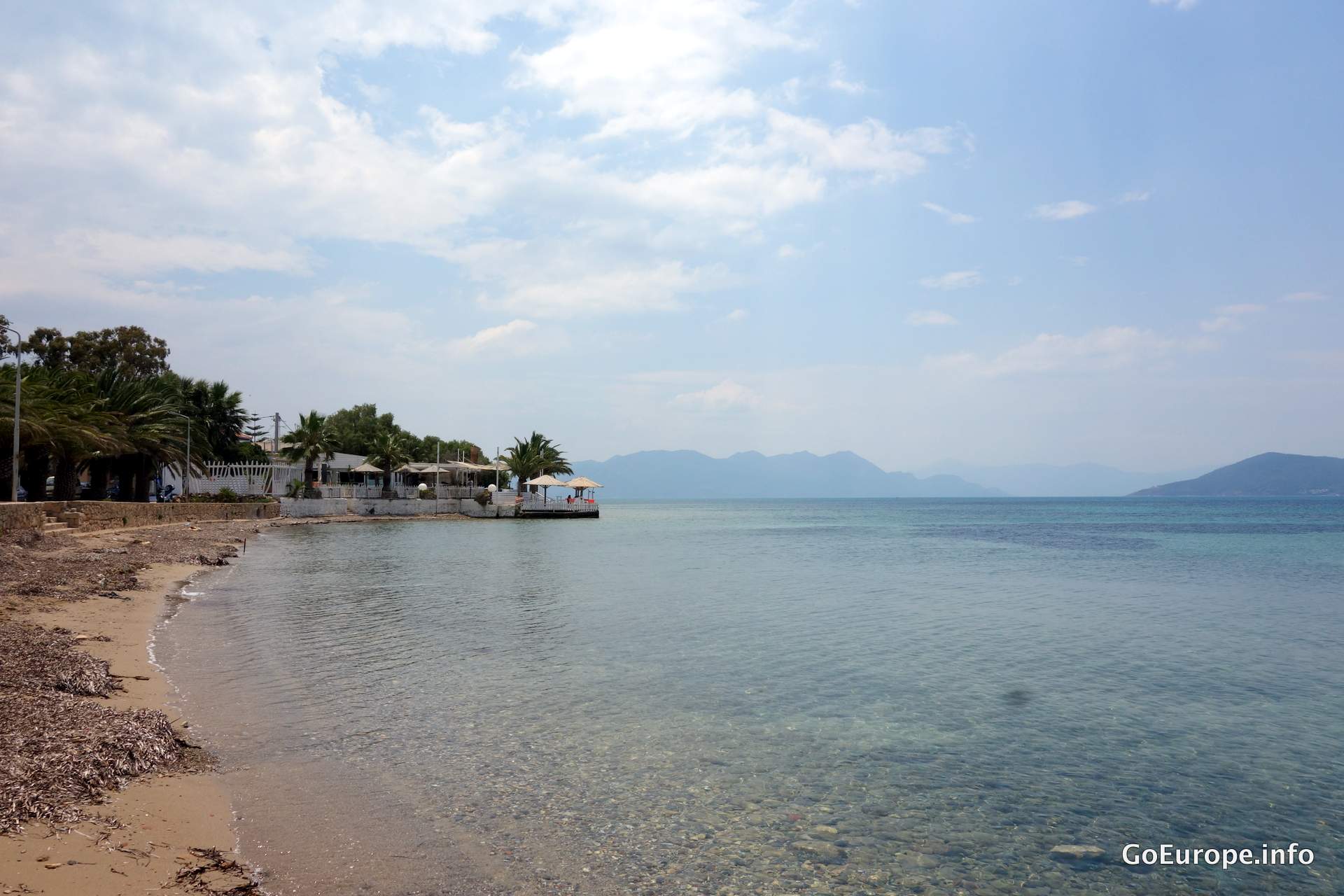
Every surviving photograph from this GoEurope journey is kept here. The captions describe the archive; details on the ground may have changed.
Check before travelling
Trip sources and further viewing
Opening hours, fares, services and entry rules change. Use the official links to verify practical details close to departure. Any YouTube video linked here is third-party material; it was not created or owned by GoEurope.info.