A GoEurope field guide
Grenoble
A compact Alpine city where museums, markets and mountain paths meet.
Why go
Get to know Grenoble
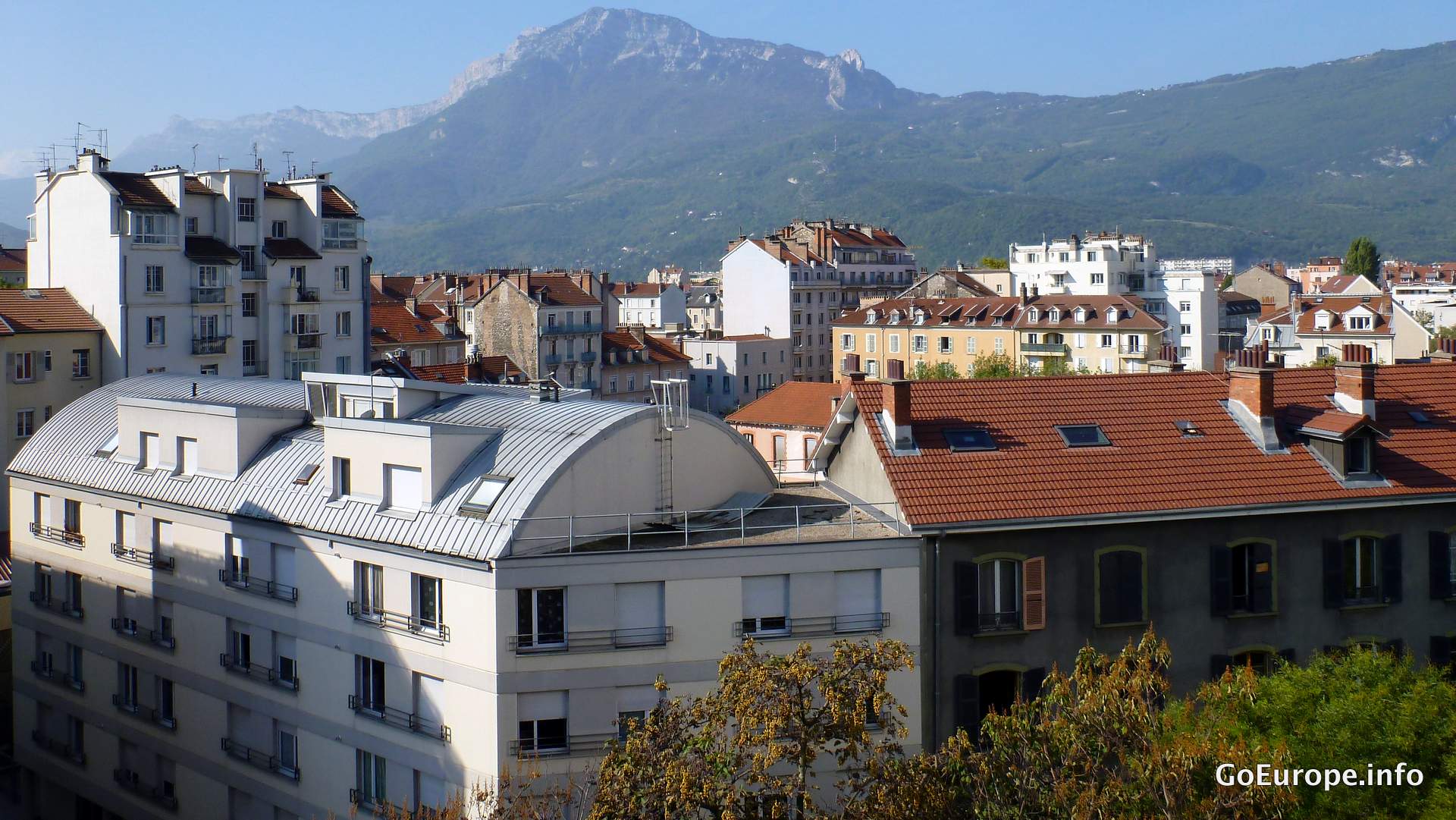
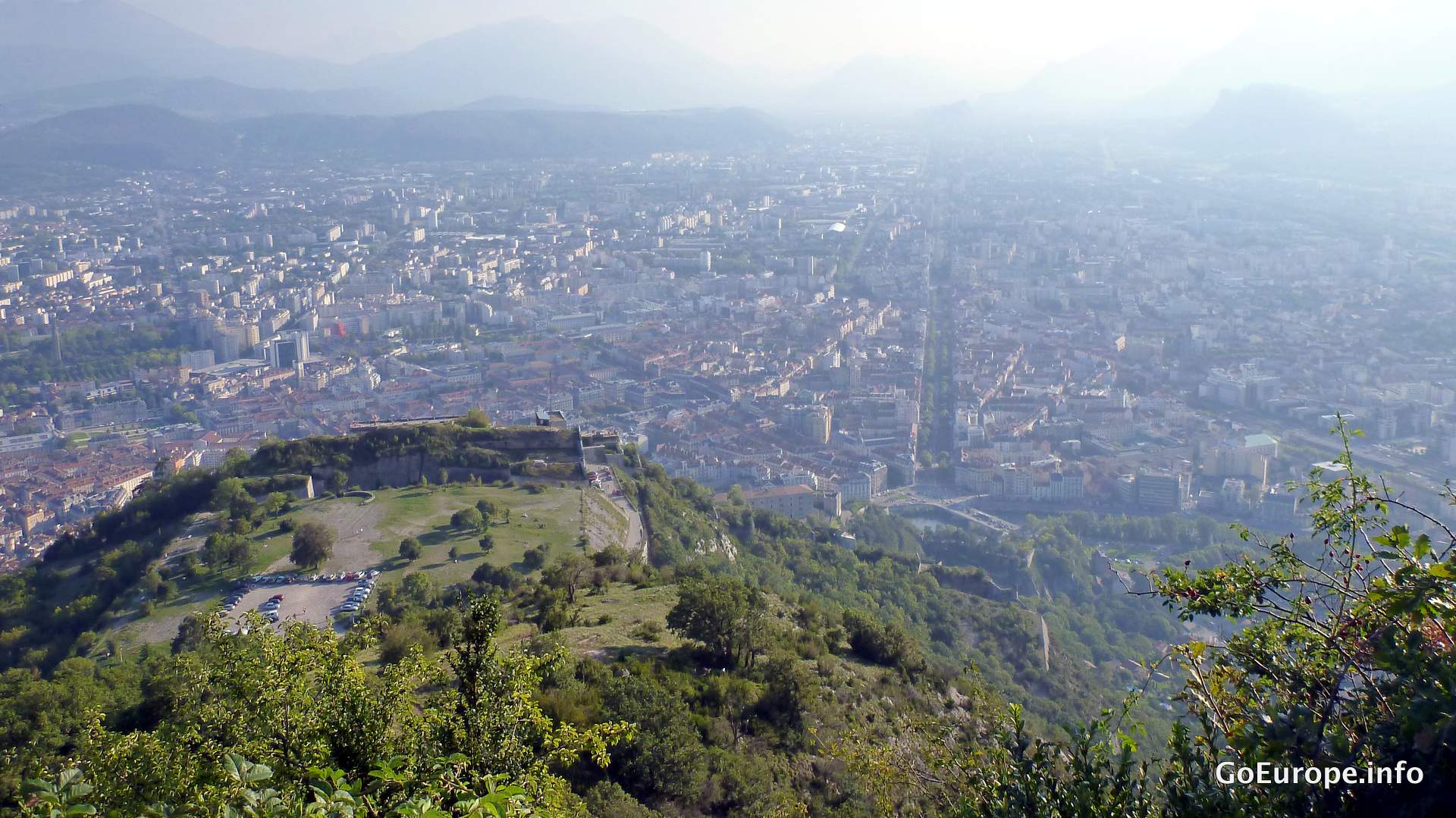
Grenoble sits on a remarkably flat valley floor beneath the Chartreuse, Vercors and Belledonne massifs. That geography shapes almost every visit: mountain walls appear at the end of city streets, the Isère curves below the Bastille, and walking routes can change from urban pavement to steep hillside in minutes. The centre itself remains compact, practical and easy to explore.
Treat Grenoble as both a city and a gateway, not simply a place to pass through on the way to the Alps. Its old quarter, art collections, university energy and regional food deserve time of their own.
The short list
Three ways into the city
The Bastille
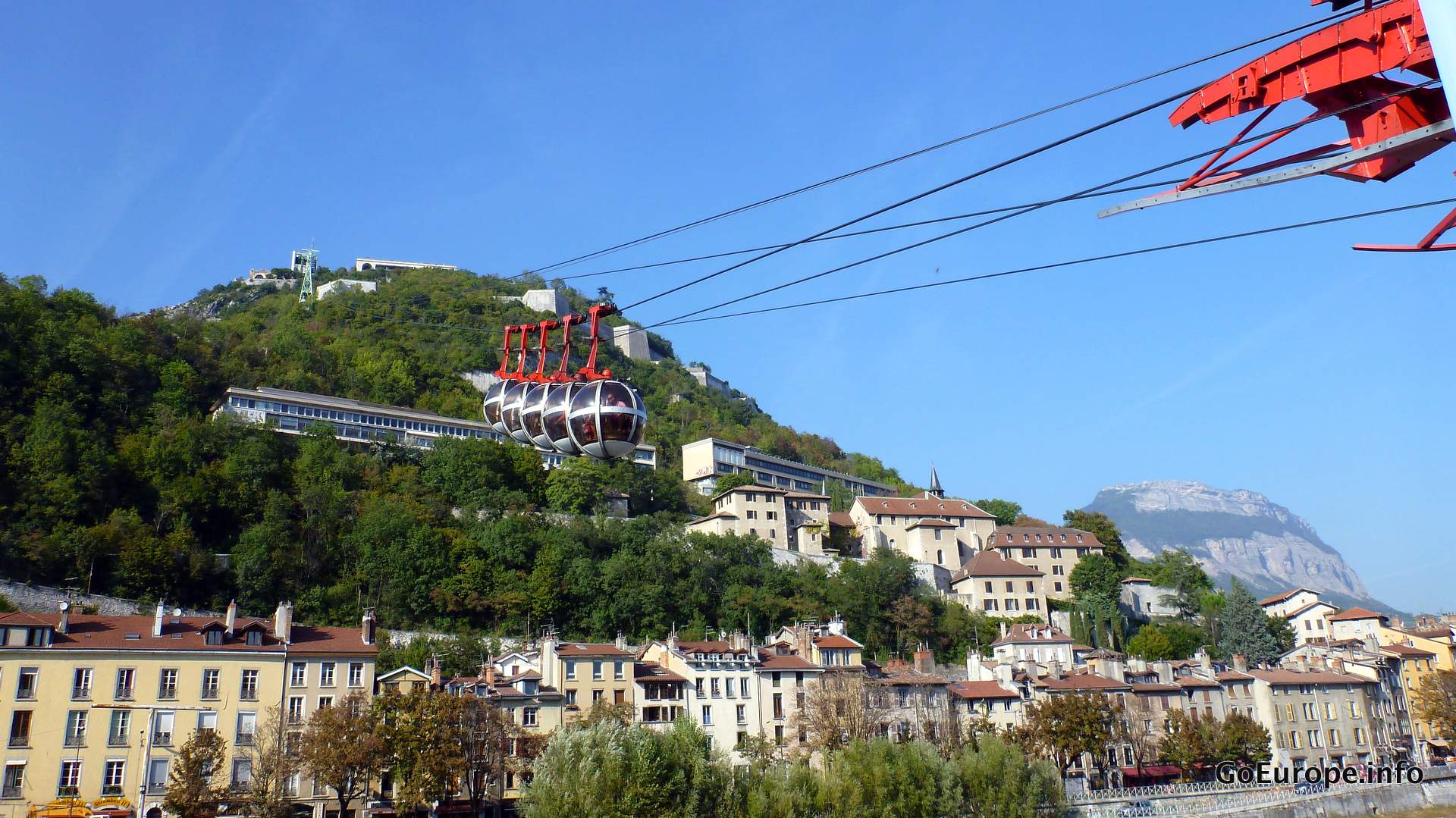
Ride the distinctive cable-car bubbles or climb on foot to the nineteenth-century fort above the Isère. Terraces and paths provide a clear view of Grenoble’s valley position, while museums and fortifications add context beyond the panorama.
Musée de Grenoble
The city’s major art museum brings ancient, European and modern works together in a manageable setting near the river. It is a strong weather-proof counterpart to outdoor plans and an anchor for exploring the surrounding streets.
Old town and Saint-Laurent
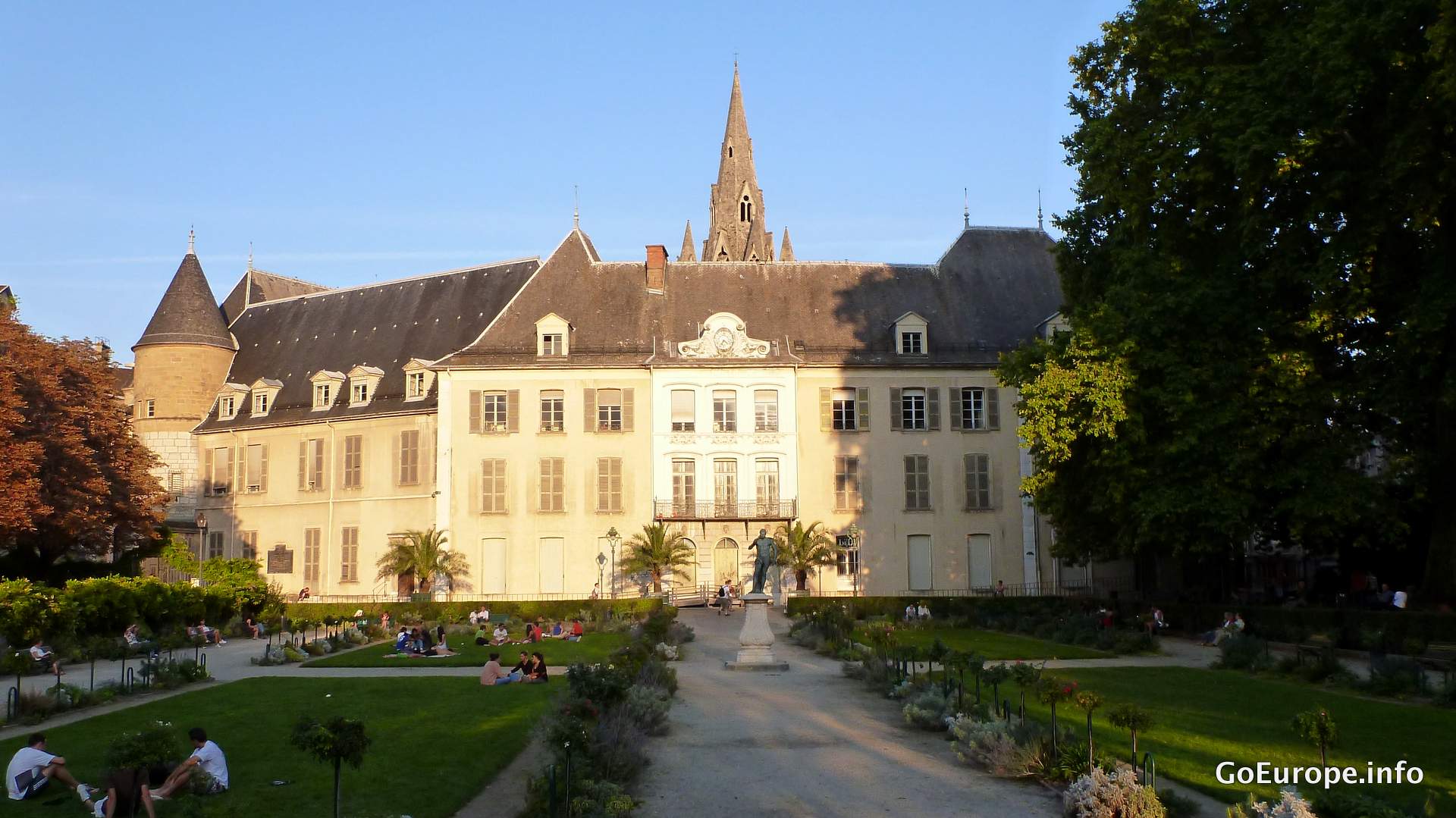
Explore the squares and lanes around the historic centre, then cross the Isère toward Saint-Laurent. River views, archaeological heritage and the lower Bastille slopes show how Grenoble developed between water and mountain.
On the ground
Getting around
The central valley floor is unusually friendly to walking and cycling. A route climbing toward the Bastille is nevertheless a very different undertaking from a cross-centre stroll.
The metropolitan M réso network combines trams and buses across Grenoble and neighbouring communities. Use the official planner for current routes, ticketing and mountain-edge connections. For outlying hikes, verify the return service and last practical connection before setting off.
At the table
What to eat and notice
Dauphiné cooking draws on Alpine dairy, potatoes, nuts and preserved flavours. Look for gratin dauphinois, ravioles, local cheeses and dishes using Grenoble walnuts. Seasonal market produce keeps the regional table from feeling exclusively heavy, especially in warmer months.
The centre has informal cafés, bakeries and restaurants shaped by its student population as well as traditional addresses. A market visit is a useful introduction: ask what is local, choose a picnic component, and save a fuller regional meal for the evening.
Timing the trip
When to go
Late spring and early autumn generally balance comfortable city walking with access to lower outdoor routes. Mountain conditions can differ sharply from the streets below, so treat forecasts, trail status and daylight as essential planning information.
Summer favours longer excursions but can bring heat and storms; begin exposed activity early. Winter gives the mountains a dramatic backdrop and suits museums and food, while higher outings require appropriate skills, equipment and current local advice.
A considered route
One day in Grenoble
Use this as a shape for the day, not a race against the clock.
-
Morning
Old Grenoble and the Isère
Walk from the historic squares to the river, noticing market streets and mountain sight lines. Cross toward Saint-Laurent before the day warms or the centre becomes busier.
-
Afternoon
Art or Alpine perspective
Visit the Musée de Grenoble, then take the cable car to the Bastille if conditions are suitable. Leave enough time to walk the terraces without hurrying the descent.
-
Evening
Dauphiné at the table
Return to the pedestrian centre for a regional dinner. Finish with an easy river walk and watch the changing light on the surrounding massifs.
The original photo archive
Grenoble in pictures
Every surviving photograph from this GoEurope journey is kept here. The captions describe the archive; details on the ground may have changed.
Check before travelling
Trip sources and further viewing
Opening hours, fares, services and entry rules change. Use the official links to verify practical details close to departure. Any YouTube video linked here is third-party material; it was not created or owned by GoEurope.info.