A GoEurope field guide
Prague
Gothic towers, riverside walks and neighbourhood life beyond the postcard views.
Why go
Get to know Prague
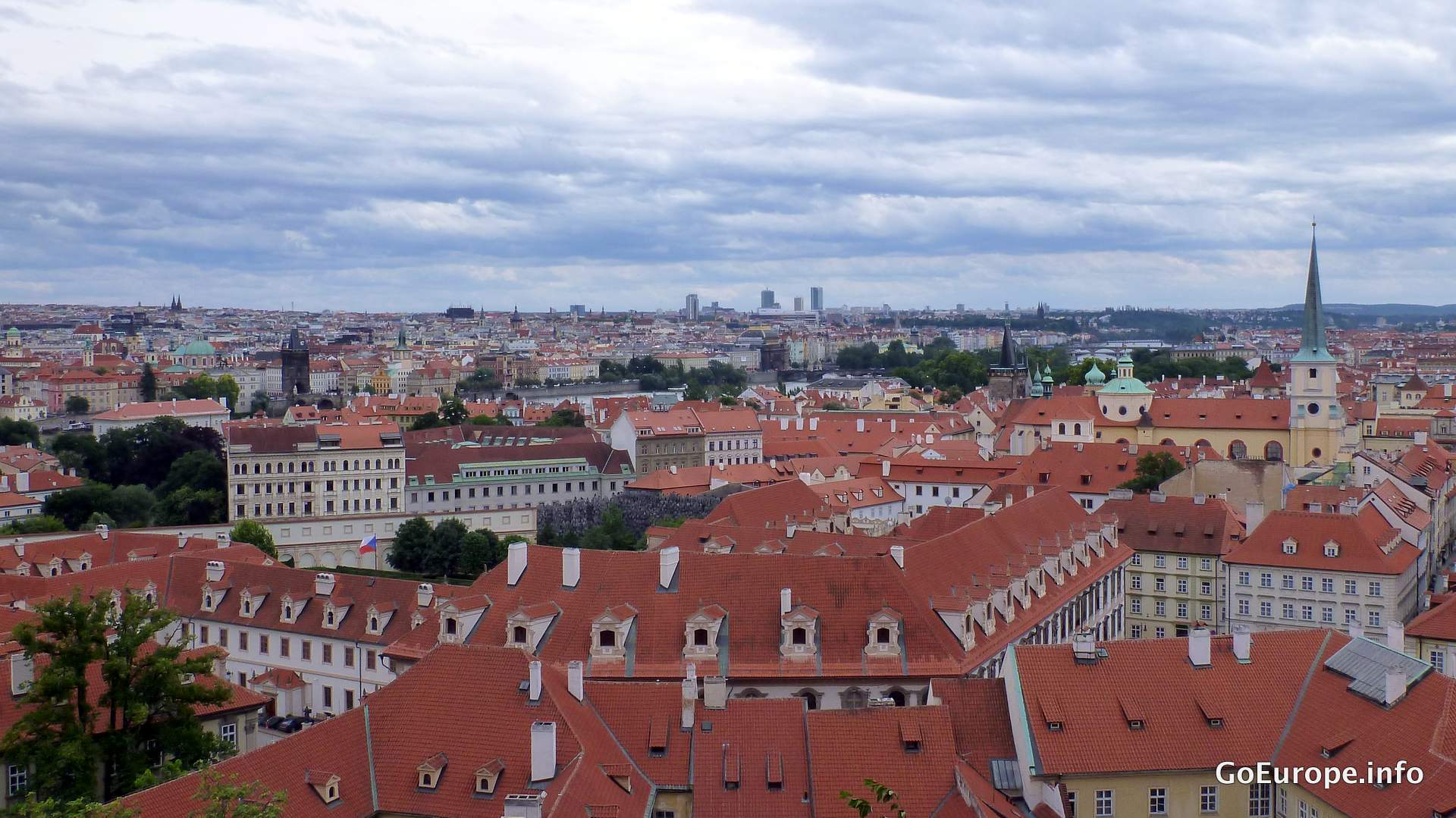
Prague’s skyline of spires, domes and castle walls makes an immediate impression, yet its appeal is not confined to the famous view from Charles Bridge. The Vltava divides a sequence of walkable districts, each with a different texture: ceremonial Hradčany, garden-filled Malá Strana, dense Old Town lanes and the broader streets of New Town.
The best visit combines early or late walks through the historic core with time in residential districts, parks and cafés. Centuries of Romanesque, Gothic, Renaissance, Baroque and modern architecture sit unusually close together.
The short list
Three ways into the city
Prague Castle and Hradčany
The castle complex gathers courtyards, palaces, churches and gardens above the city. Approach through Hradčany or climb from Malá Strana, then pause at the overlooks before choosing which interiors genuinely interest you.
Charles Bridge and Malá Strana
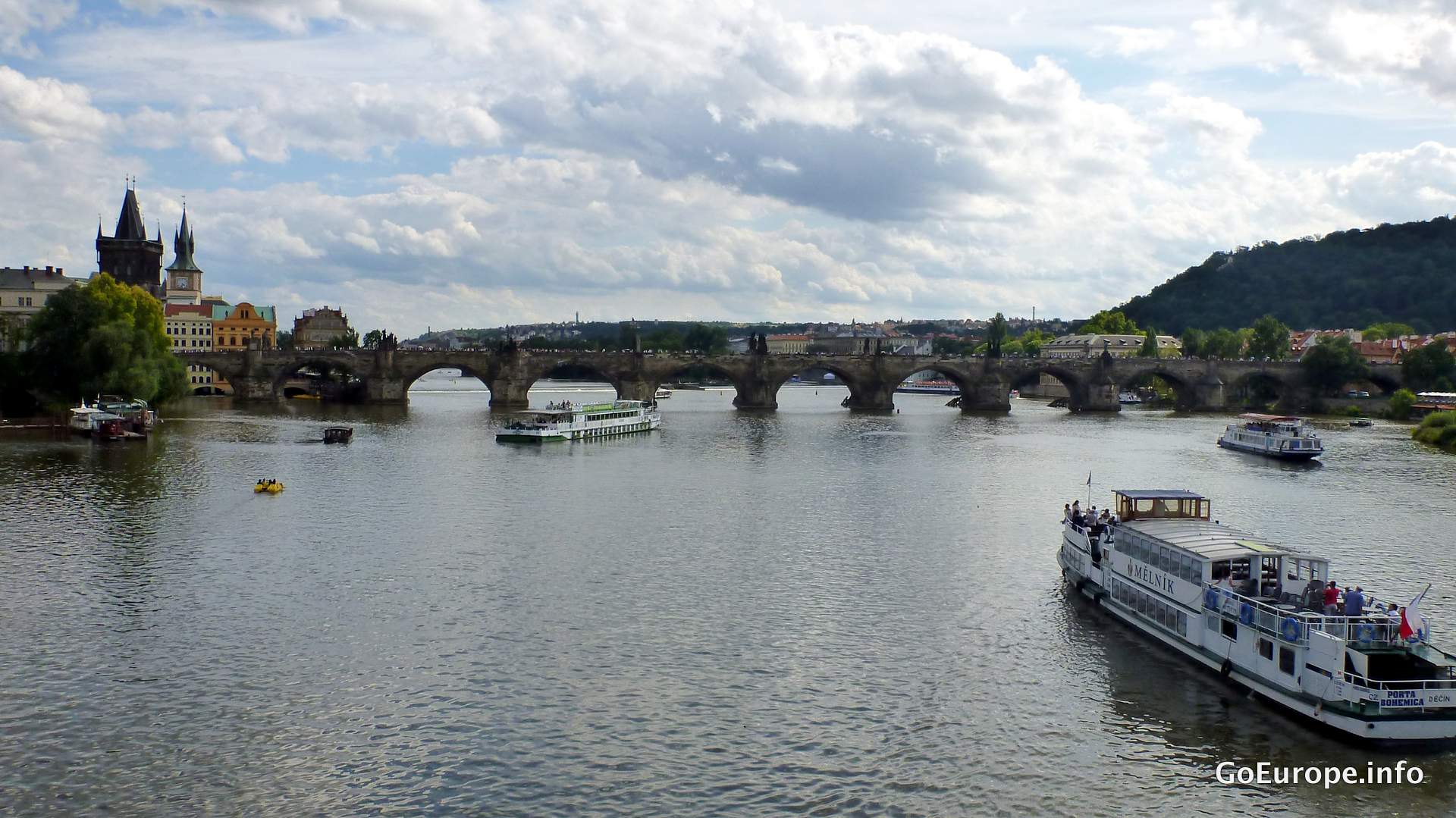
Cross the city’s historic stone bridge when it is relatively calm, then explore the lanes and gardens below the castle. The bridge towers and changing river views matter as much as the statues along the crossing.
Old Town to New Town
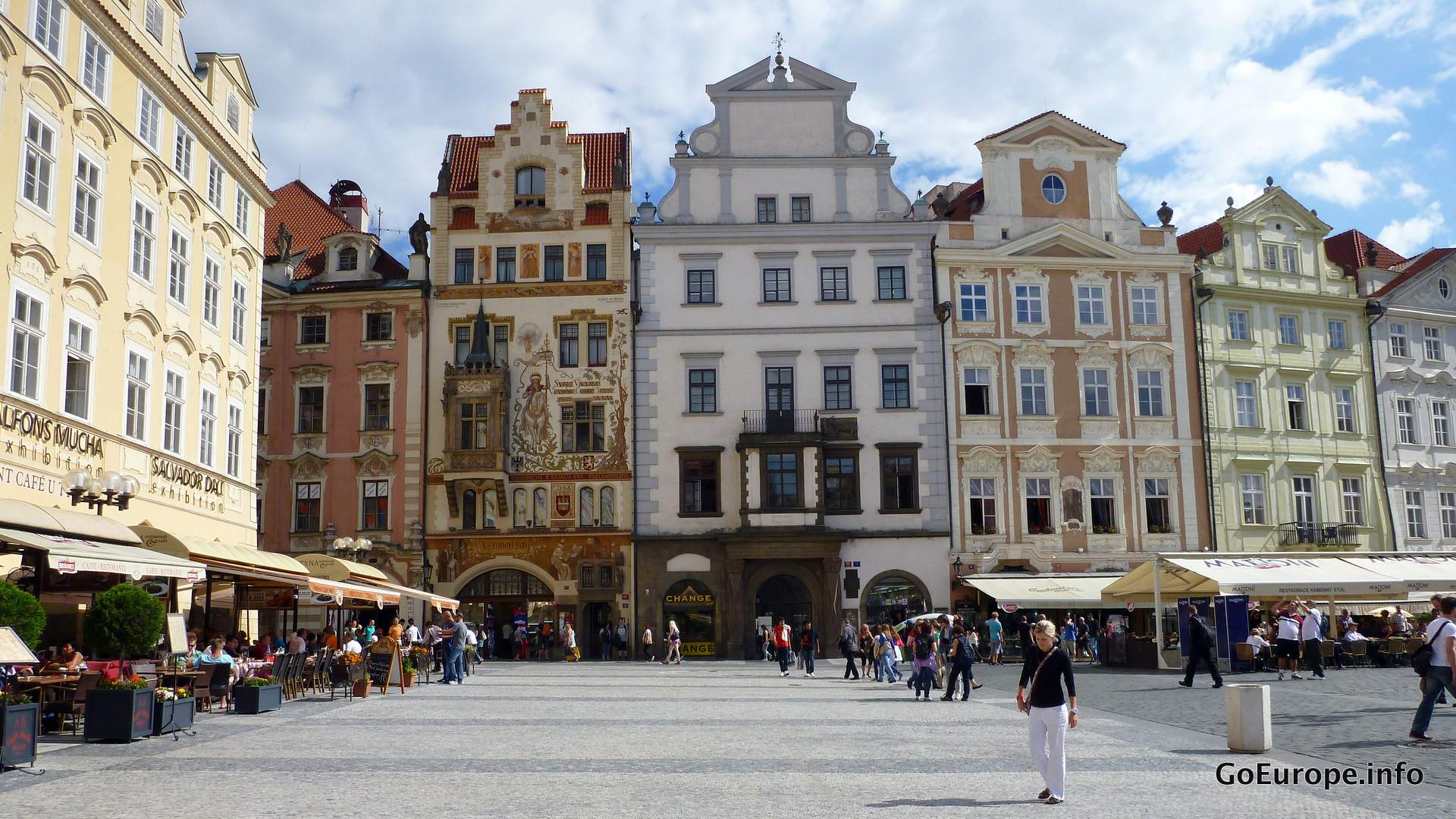
Old Town Square anchors Prague’s most visited quarter, but continue through passages toward Wenceslas Square and New Town. The walk reveals how the medieval city connects with later civic, commercial and modern architectural layers.
On the ground
Getting around
Central Prague is highly walkable, although cobbles and the slopes around the castle can make distances feel longer. Plan connected loops rather than repeatedly crossing the same crowded streets, and keep a comfortable pair of shoes for the historic surfaces.
Metro, trams, buses, trolleybuses, trains and selected river services form the integrated PID network. Trams are especially useful for linking central neighbourhoods while preserving a sense of place. Consult PID for current ticket validity, validation rules, airport connections and service changes.
At the table
What to eat and notice
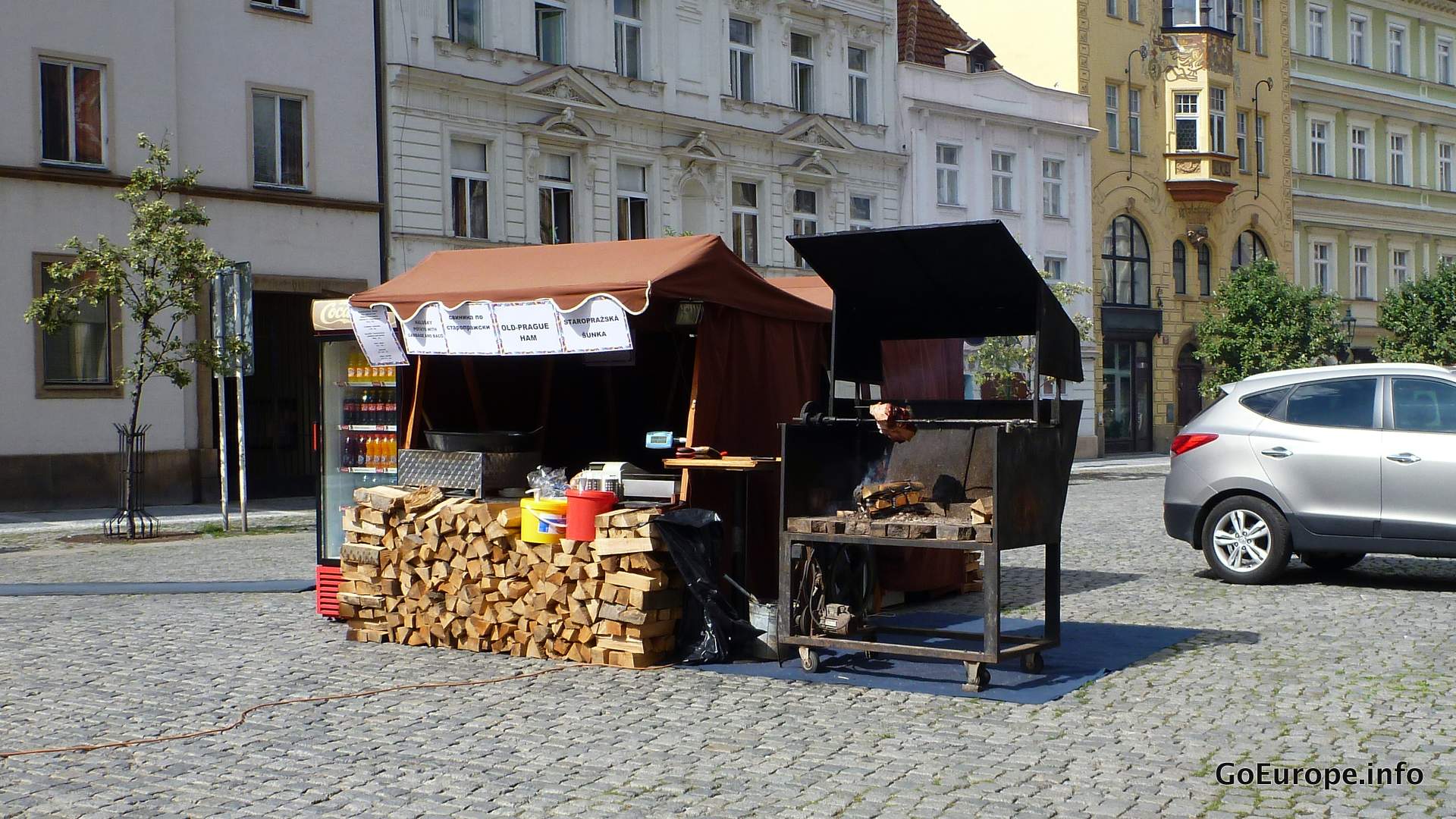
Traditional Czech menus may include roast meats, sauces, dumplings, soups and dishes such as svíčková. Modern Prague also has strong bakeries, vegetarian kitchens and restaurants influenced by the wider region.
Beer remains part of the city’s social fabric, but it is worth seeking quality and atmosphere rather than novelty servings. Cafés connect Prague’s literary past with its contemporary creative scene; pair coffee with a pastry and allow time for the room itself.
Timing the trip
When to go
Late spring and early autumn usually suit long walks, riverbanks and gardens. Start early if you want quiet at the bridge or castle approaches, then shift to less central districts during the busiest part of the day.
Summer offers long evenings but concentrates visitors in the historic core. Winter can be atmospheric and is well suited to cafés, concerts and museums, though short daylight and cold surfaces call for a more compact itinerary.
A considered route
One day in Prague
Use this as a shape for the day, not a race against the clock.
-
Morning
Castle hill to the river
Begin in Hradčany, explore Prague Castle’s public spaces and descend through Malá Strana. Cross Charles Bridge before pausing on the Old Town side to study its tower and river setting.
-
Afternoon
Old Town in layers
Continue through Old Town Square, then choose a church, tower or museum rather than several. Walk onward through passages toward New Town for a broader picture of Prague.
-
Evening
A quieter neighbourhood
Take a tram to a district such as Vinohrady, Holešovice or Karlín for dinner, a local beer or café time away from the tightest sightseeing circuit.
The original photo archive
Prague in pictures
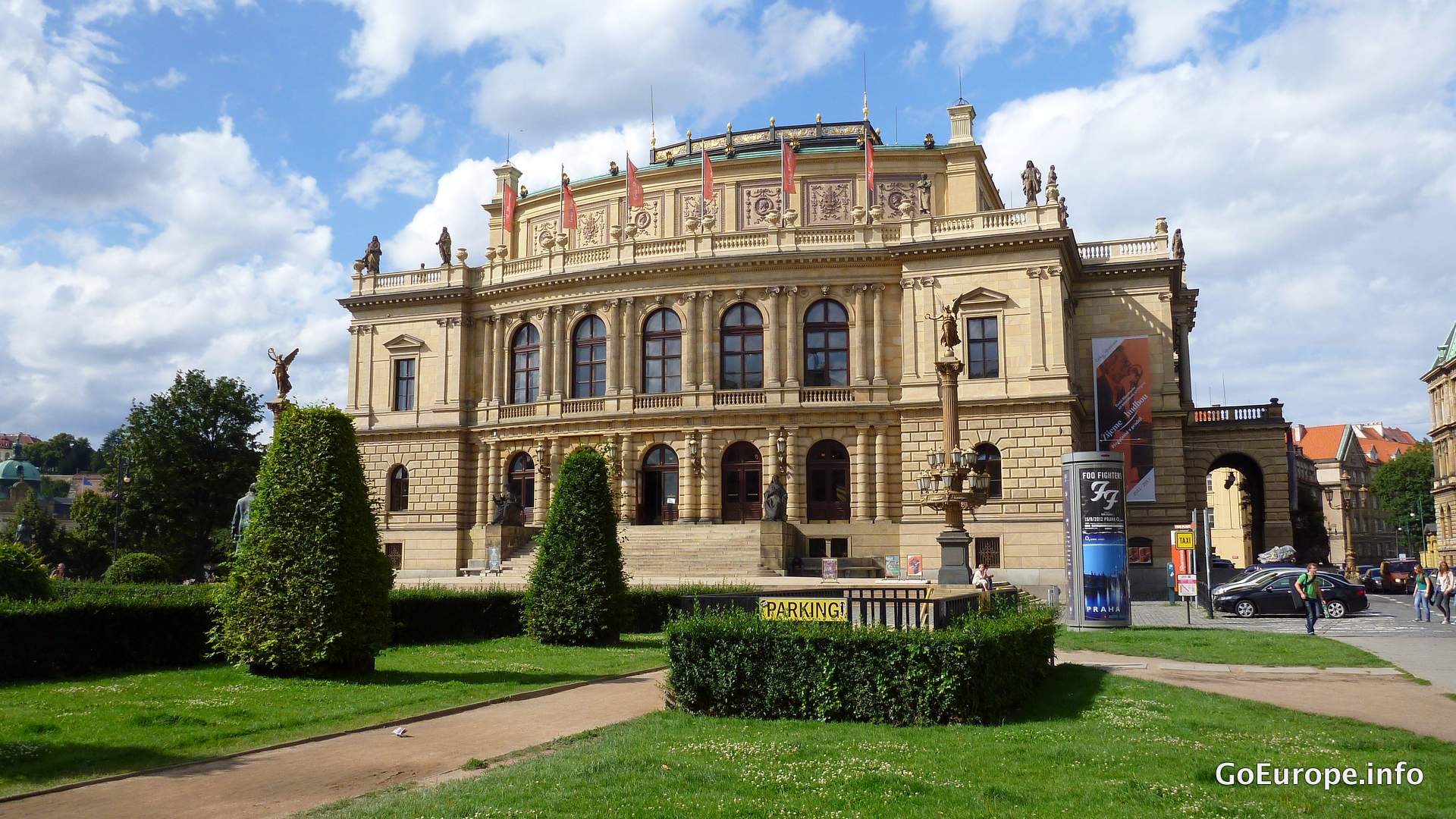
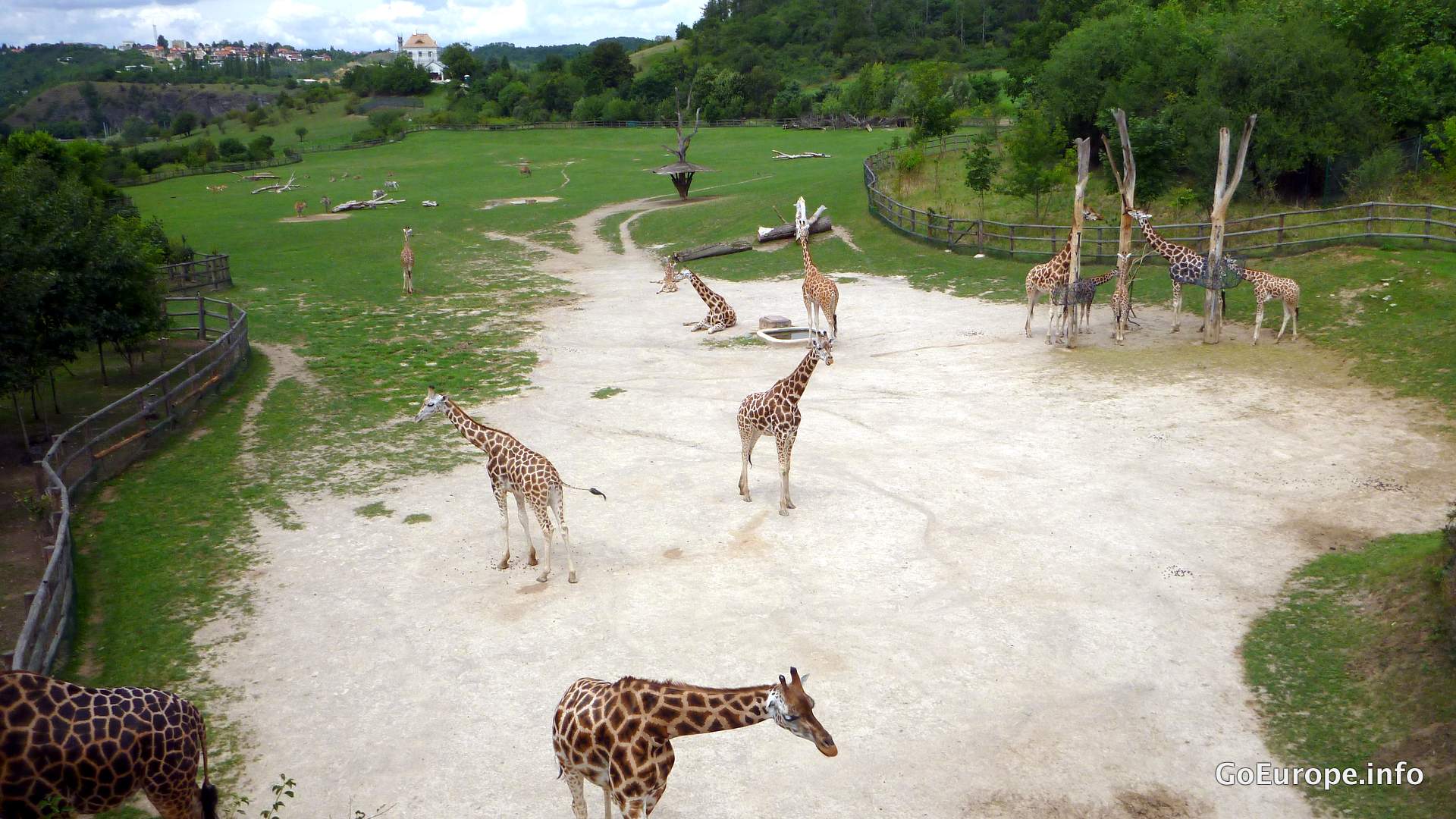
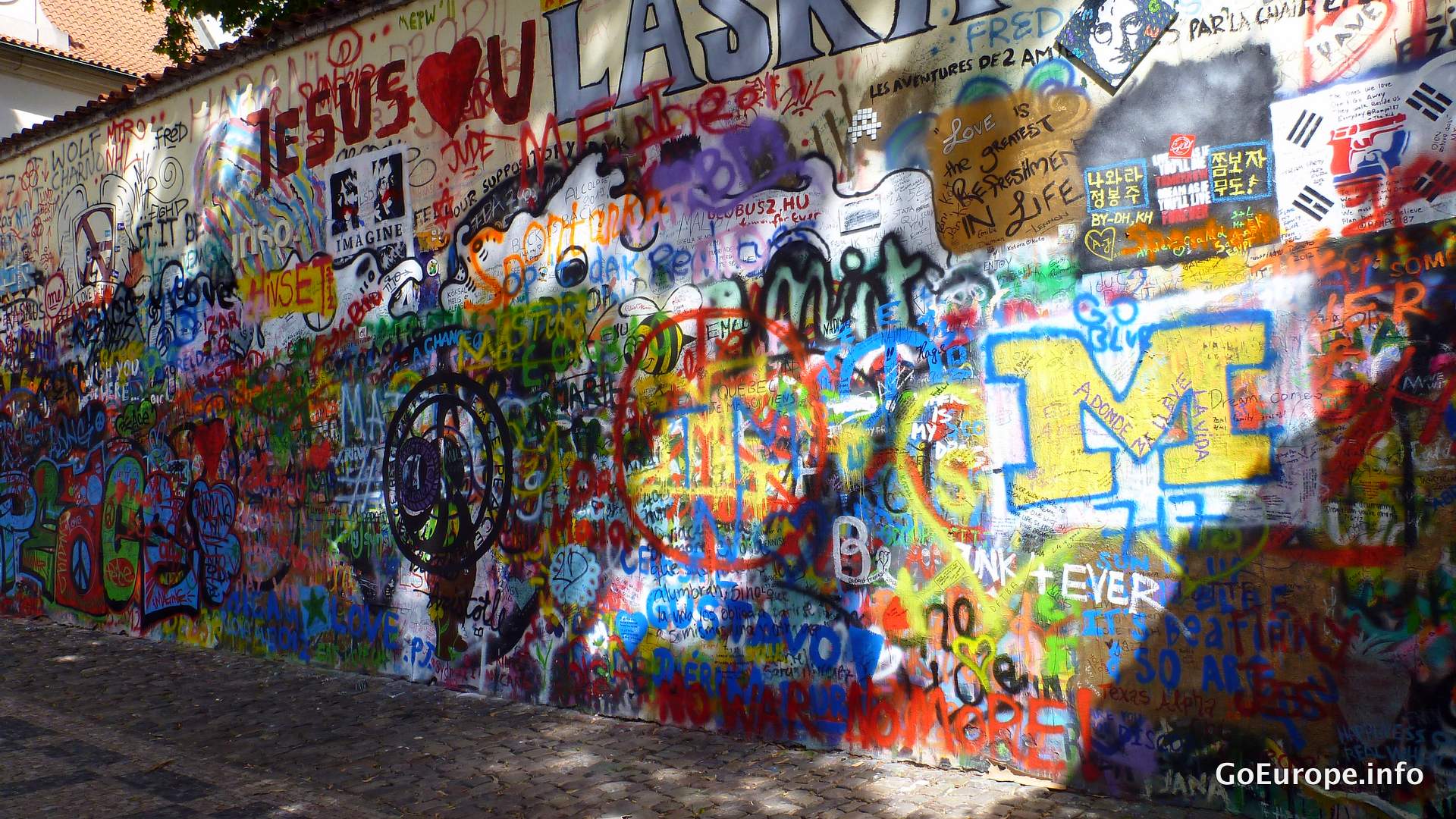
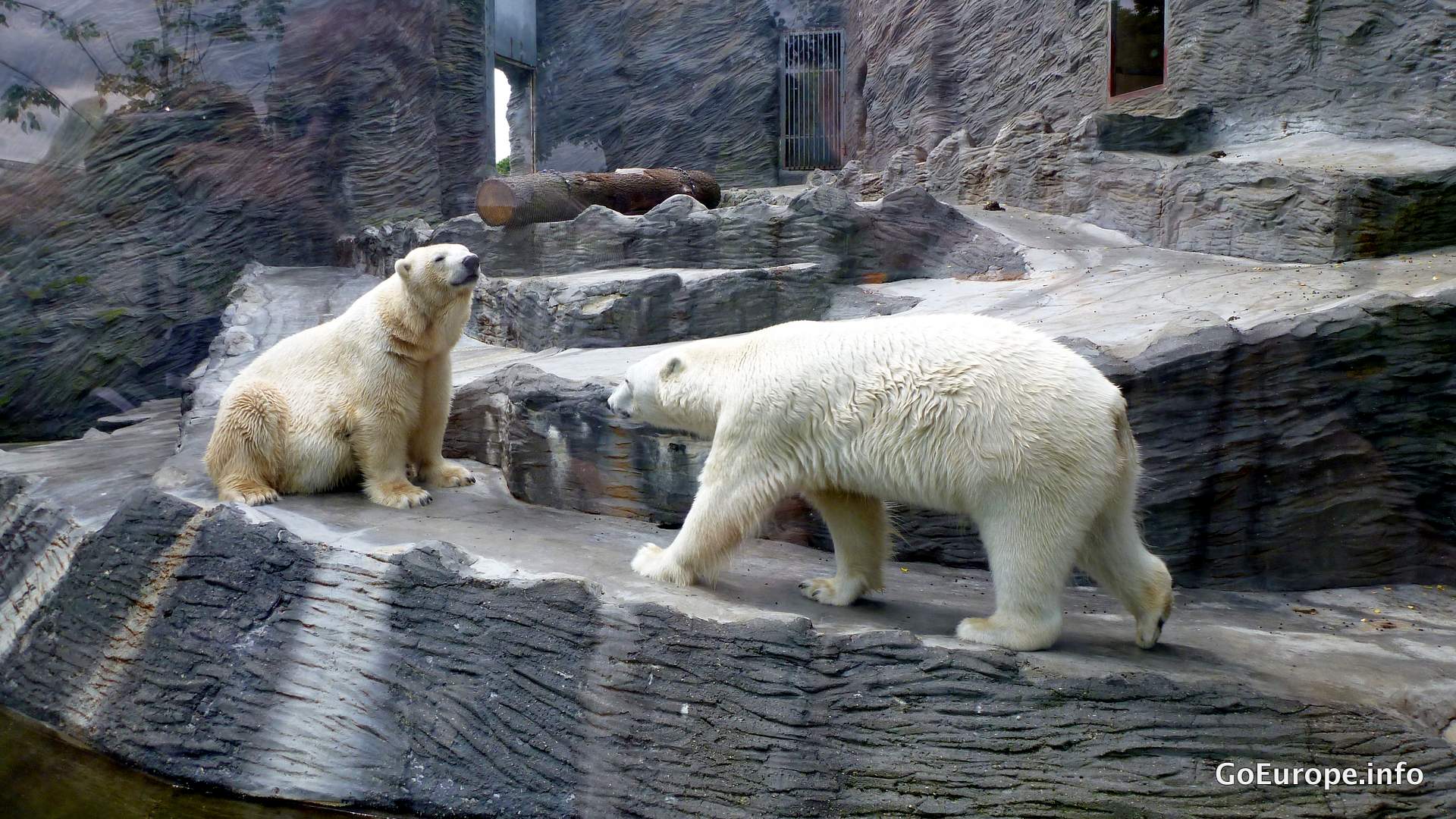
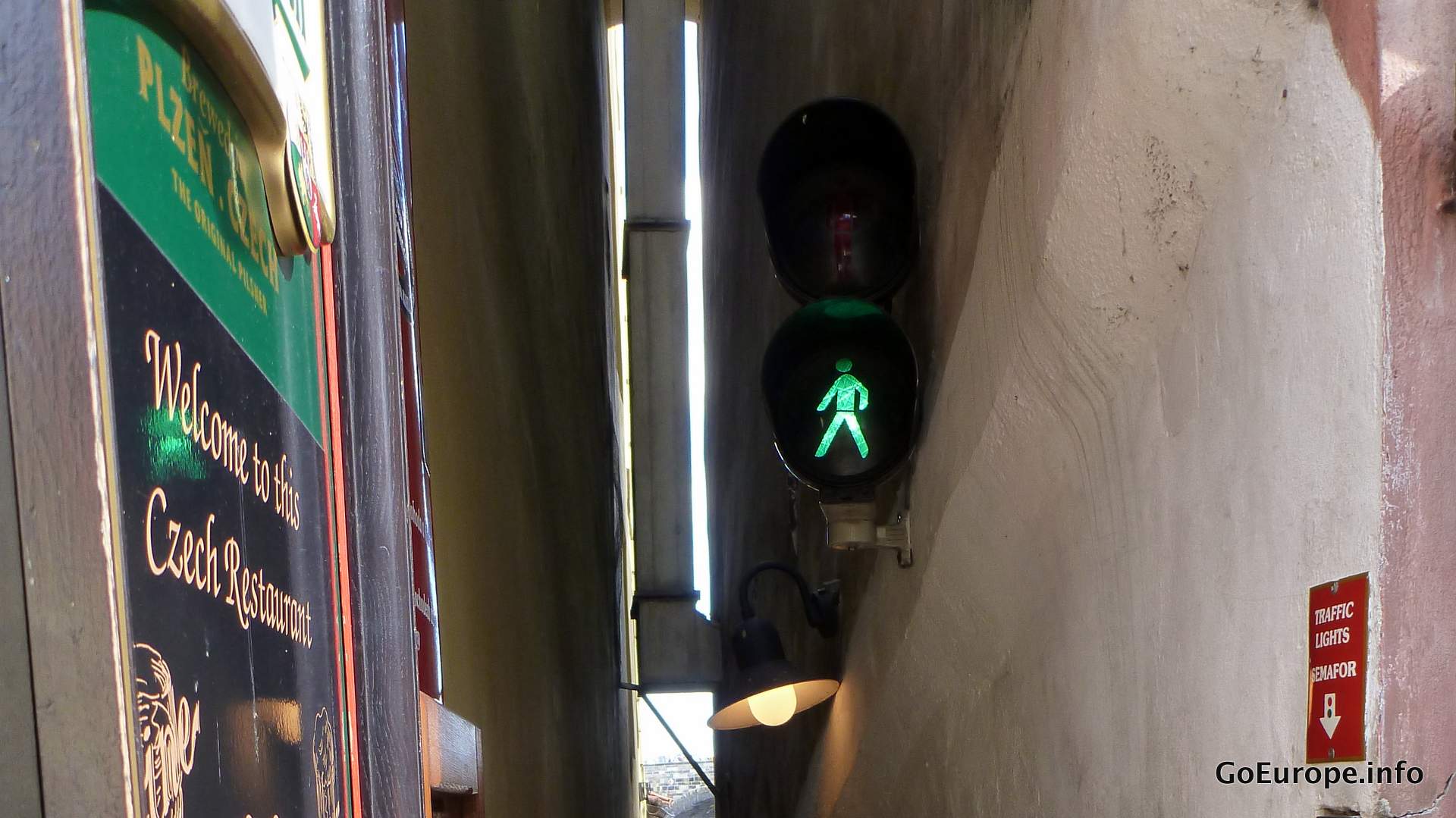
Every surviving photograph from this GoEurope journey is kept here. The captions describe the archive; details on the ground may have changed.
Check before travelling
Trip sources and further viewing
Opening hours, fares, services and entry rules change. Use the official links to verify practical details close to departure. Any YouTube video linked here is third-party material; it was not created or owned by GoEurope.info.